7 Powerful Benefits of Early Islamic Education for Kids in 2026
Nurturing Faith, Character, and Knowledge from the Earliest Years

Introduction
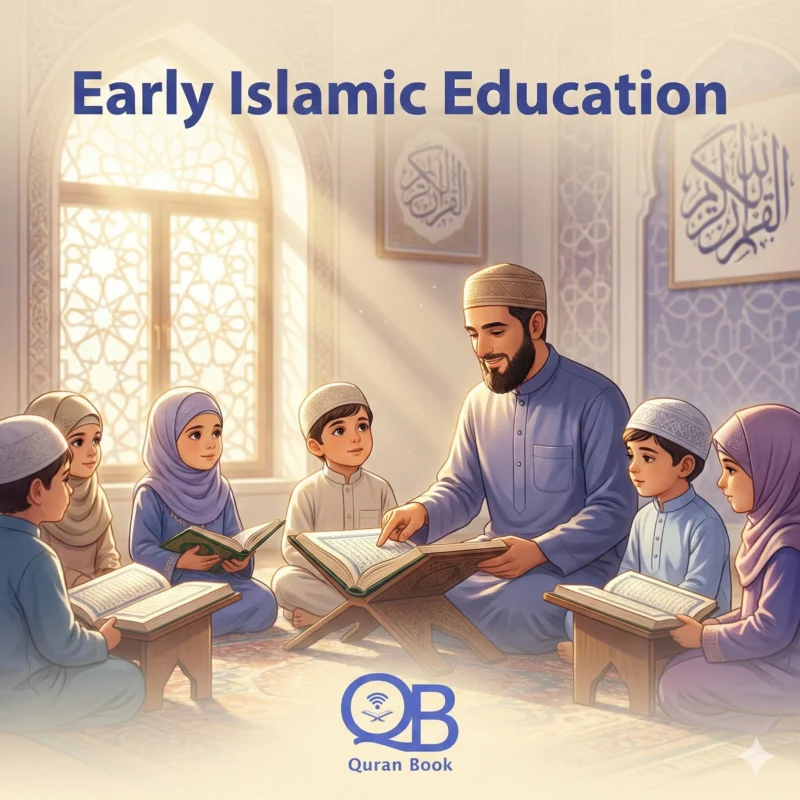
Early Islamic education can provide children with a strong spiritual foundation, moral compass, and lasting connection to Allah. Starting Quranic learning at a young age can help shape character, build discipline, and instill values that guide children through every stage of life.
You may worry whether your child is too young to begin Islamic Studies for Kids. Perhaps you’re concerned about balancing Islamic education with their regular schoolwork, or time management feels overwhelming with your busy family schedule. These are valid concerns that many Muslim parents share across the USA, Canada, UK, and Australia.
The good news is that early Islamic education uses age-appropriate, manageable “chunks” designed by educational psychologists to reduce overwhelm and build confidence gradually. When structured correctly, Islamic education for children becomes a joyful experience rather than an additional burden. This approach can help ensure that the importance of Islamic education is realized without sacrificing your child’s happiness or family harmony.
What Is Early Islamic Education?
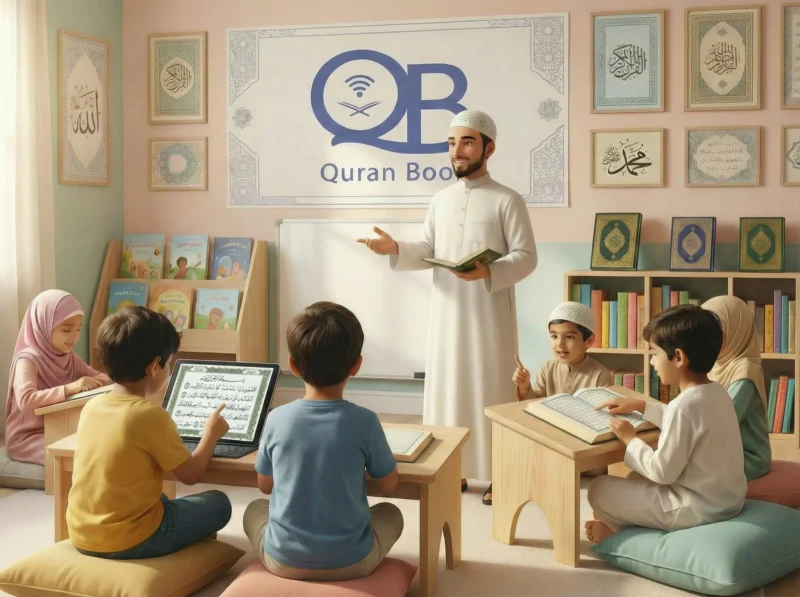
Early Islamic education refers to structured religious learning introduced to children during their formative years, typically between ages 3-10. It encompasses Quran recitation, Arabic basics, Islamic manners (Akhlaq), stories of the Prophets, and foundational beliefs (Aqeedah)—building spiritual identity before external influences take root.
The importance of education in Islam has deep historical roots. From the earliest days of Islamic civilization, learning was valued from infancy. The first revealed verses of the Quran began with the command “Read!” in Surah Al-Alaq (96:1-5), highlighting the importance of knowledge and learning. This emphasis on seeking knowledge is one reason many Muslim families view Islamic upbringing as something to begin as early as possible.
This foundation can help build a strong spiritual identity that children may carry throughout their lives, which is why many Muslim families worldwide choose to begin early. Discover how you can help your child Learn Quran Online with expert guidance.
7 Key Benefits of Early Islamic Education
Builds a Strong Spiritual Foundation
Children who learn about Allah, prayer, and the Quran early can develop a strong spiritual identity. This foundation can help children navigate confusion and peer pressure later in life. When children understand their relationship with their Creator from a young age, they may face challenges with greater confidence and clarity.
As the Prophet Muhammad (peace be upon him) stated: “Every child is born upon the Fitrah (natural disposition)…” This hadith highlights the important influence of parents and a child’s environment on religious upbringing from an early age.
Develops Excellent Moral Character (Akhlaq)
Early Islamic education teaches honesty, kindness, patience, and respect—values that can help shape children into compassionate adults. Through stories of the Prophets and companions, children learn practical examples of noble character that they can emulate in their daily lives.
Enhances Cognitive and Memory Skills
Memorizing Quran engages multiple brain regions and can support memory retention, focus, and linguistic abilities. Educational psychology research suggests that structured memorization during childhood can strengthen neural pathways that support overall academic performance. Islamic early childhood education that includes Quran memorization may provide children with cognitive advantages that extend beyond religious knowledge, supporting their performance in mathematics, languages, and critical thinking.
Creates Lifelong Love for Learning
When Islamic education feels joyful and achievable, children associate learning with positive emotions. This positive association can foster curiosity that extends to all academic areas. Children who experience success in their Islamic Courses for Kids often develop greater confidence in tackling other educational challenges. The importance of Islamic education lies not only in the knowledge gained but in cultivating an attitude of lifelong learning that the Prophet Muhammad (peace be upon him) encouraged throughout his teachings.
Strengthens Family and Community Bonds
Families who learn together grow together. Early Islamic education creates shared rituals, conversations, and values that unite households. When parents participate in their children’s Islamic upbringing, they strengthen intergenerational bonds and create beautiful family traditions. Community connections also deepen as families join Islamic learning circles, attend mosque programs, and celebrate religious milestones together. These relationships can provide children with a supportive network that reinforces their Islamic identity.
Provides Protection from Negative Influences
In today’s digital age, children face unprecedented exposure to conflicting messages through social media and peer networks. Children grounded in Islamic values can develop internal filters that help them navigate these challenges with wisdom and confidence. Early Islamic education can equip children with critical thinking skills rooted in faith, helping them distinguish between beneficial and harmful influences. This support can become increasingly valuable as children grow into teenagers and young adults.
Establishes Consistent Worship Habits
Habits formed early can become second nature. Children introduced to Salah, dua, and Quran recitation may find these practices more familiar and easier to maintain as they grow older. The importance of education in Islam includes building these consistent worship routines that support faith throughout life’s various stages. When prayer and Quran recitation become normal parts of daily life from childhood, maintaining these practices may require less effort and feel more natural as children mature.
How to Start Your Child’s Early Islamic Education Journey
Beginning your child’s Islamic education journey requires thoughtful planning and commitment. Here are practical steps to ensure success:
Assess Readiness
Children as young as 3 can begin with short duas and Islamic stories tailored to their developmental stage.
Choose a Qualified Program
Look for Certified Quran Teachers experienced in child-focused Islamic teaching. Learn more About Our Methodology.
Set Realistic Goals
Start with 15-20 minute sessions, three times weekly, gradually increasing as your child’s capacity grows.
Create a Learning Environment
Dedicate a quiet, comfortable space for online or in-person classes free from distractions.
Stay Involved
Review lessons together and celebrate small milestones to reinforce your child’s motivation and progress.
Book a Free Trial
Experience quality Islamic early childhood education programs firsthand before committing.
Frequently Asked Questions
Begin Your Child’s Islamic Education Today
Your child deserves a strong spiritual foundation that lasts a lifetime. Early Islamic education, when delivered through engaging, age-appropriate methods, can strengthen children’s relationship with their faith and help prepare them for life’s challenges.
The importance of Islamic education cannot be overstated in our modern world. By investing in your child’s Islamic upbringing today, you give them the greatest gift—a connection to Allah that guides them through every stage of life.
Start Your Free Trial LessonHafidha of the Quran · Arabic Language Graduate · Writer on Islamic Sciences
Jehad Mahmoud is a graduate of the Arabic Language department and a Hafidha of the Quran who writes the Islamic educational content at Quran Book Academy.
She writes with a focus specialising in fiqh, the fiqh of women and the sharia sciences, making complex rulings accessible to English-speaking Muslim families.
Her articles are educational, not fatwa. For a ruling on a specific personal situation, readers are advised to consult a qualified scholar or mufti.
📚 References
Quranic Sources
- Surah Al-Alaq (96:1-5) — The command to “Read!” emphasizing knowledge as fundamental to faith
Hadith Sources
- Sahih Muslim (Hadith 2658) — “Every child is born upon the Fitrah (natural disposition)…”
Leave a Reply