Mosquito in the Quran: 5 Powerful Lessons from Surah Al-Baqarah
Exploring Divine Wisdom Through a Tiny Creature | Islamic Studies

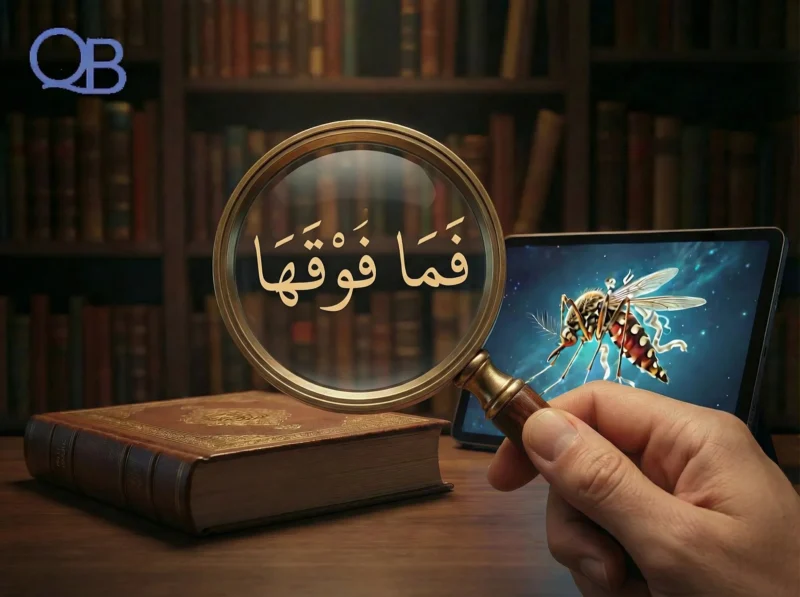
Have you ever wondered why Allah mentions something as small as a mosquito in the Quran? Many Muslims struggle to connect with deeper Quranic wisdom, feeling overwhelmed by complex interpretations. Yet, the mosquito in the Quran offers profound lessons that transform how we approach faith, humility, and divine wisdom. In Surah Al-Baqarah 2:26, Allah uses this tiny creature to teach believers five powerful truths that apply to our modern lives. Whether you’re seeking Islamic lessons for your children or yearning to deepen your Quran understanding, this verse holds practical wisdom for everyone.
The Mosquito in the Quran: What Does Surah Al-Baqarah Say?
The mosquito mentioned in Quran appears in Surah Al-Baqarah, verse 26. Allah states:
“ Indeed, Allah is not ashamed to present an example—that of a mosquito or what is smaller than it. And those who have believed know that it is the truth from their Lord. But as for those who disbelieve, they say, ‘What did Allah intend by this as an example?’ He misleads many thereby and guides many thereby. And He misleads not except the deviantly disobedient. “
This Quran verse about mosquito was revealed during the Madinah period when critics mocked the Quran’s use of simple examples. Some doubted why Allah would mention insignificant creatures like spiders, flies, bees, or mosquitoes in divine revelation. The verse directly addresses this skepticism, affirming that divine wisdom transcends human judgment of what seems “too small” for Allah’s attention.
📜 Why Was This Verse Revealed?
Classical tafsir explains this verse as a response to those who objected to the Quran’s use of everyday examples — see the commentary on this verse in Tafhim al-Qur’an. They wondered how a divine book could reference common insects. The verse’s own answer is profound: truth does not require grand symbols to validate itself.
The Quran mentions various creatures—spiders, flies, bees, and the mosquito in the Quran—to demonstrate that every creation, regardless of size, contains divine wisdom. This Islamic perspective on mosquitoes extends beyond literal biology into spiritual understanding and humility before Allah’s infinite knowledge.
5 Profound Lessons from the Mosquito Verse
1 No Example Is Too Small for Allah to Use
The verse directly teaches that Allah “is not ashamed to present an example—that of a mosquito or what is smaller than it” (Surah Al-Baqarah 2:26). The size of the example does not reduce the truth or the wisdom of the parable. Allah may use even a tiny creature in a meaningful Quranic parable, and a believer should not dismiss a truthful lesson because its example appears small.
💡 Practical Takeaway:
A practical reflection from this is to pause when a reminder reaches you through something small or ordinary, instead of judging a lesson by the size of the example that carries it.
2 Wisdom Recognizes Truth in All Forms
The verse shows that believers recognize the truth of Allah’s parables, regardless of whether the example appears great or small. The Surah Baqarah mosquito verse divides humanity into two categories—those whose hearts are open to wisdom regardless of the vessel, and those who reject truth based on superficial judgments, asking, “What did Allah intend by this as an example?” (Quran 2:26).
A practical reflection from this is that whether the lesson comes through a mosquito or a mountain, it remains profound for those with humble hearts.
3 “Or What Is Smaller Than It”
The verse does not stop at the mosquito; it adds the phrase “or what is smaller than it” in the mosquito mentioned in Quran. The wording keeps the door open to anything smaller still, so no example is excluded because of its size.
In this way, the Islamic perspective on mosquitoes is not really about the insect itself, but about how a believer receives an example, however small it may seem.
4 Allah’s Examples Are Universal
The accessibility of the mosquito example demonstrates divine mercy. Allah didn’t choose obscure creatures known only to scholars. He selected a mosquito—something encountered by every human across cultures, climates, and centuries. You don’t need advanced Arabic knowledge to grasp the mosquito in the Quran lesson. A child can understand that a small example can carry a great meaning, while adults appreciate deeper layers of humility and wisdom.
5 Humility Opens Hearts, Pride Closes Them
Here lies the deepest lesson of the Quran verse about mosquito: your response to simple truths reveals your spiritual condition. The verse itself contrasts those who reject the example with those who “know that it is the truth from their Lord.”
The Prophet Muhammad ﷺ said, as reported in Sahih Muslim 91c: “He who has in his heart the weight of a mustard seed of pride shall not enter Paradise.”
A practical reflection from this is that pride shows itself in dismissing simple beginnings, while humility accepts a lesson wherever it comes from.
Common Questions About Mosquitoes in Islam
❓ Is Killing a Mosquito Haram in Islam?
No, killing a mosquito is not haram in Islam. Harmful creatures may be removed when they pose a genuine threat to health, while causing unnecessary harm to animals is discouraged. This article is educational rather than a fatwa, so for a ruling on a specific personal situation, consult a qualified scholar.
❓ Does Killing a Mosquito Break Wudu?
No. Killing a mosquito itself does not invalidate wudu. The detailed nullifiers of wudu differ in some respects among the schools of Islamic law, so this answer should not be treated as a complete list of everything that may invalidate ablution.
A separate question is the blood that may end up on your hand or clothing. That is a question about the purity of the body and garment for prayer, not about whether the wudu itself has been invalidated, and the two issues should not be mixed. For a specific case, ask a qualified scholar.
❓ Are Mosquitoes Mentioned Elsewhere in the Quran?
The mosquito mentioned in Quran appears only in Surah Al-Baqarah 2:26. However, other creatures feature throughout with spiritual lessons:
| Creature | Surah Reference | Lesson Taught |
|---|---|---|
| 🐝 Bee | Surah An-Nahl (16:68-69) | Divine inspiration, productivity |
| 🕷️ Spider | Surah Al-Ankabut (29:41) | False security, weak reliance |
| 🪰 Fly | Surah Al-Hajj (22:73) | Human powerlessness |
| 🐜 Ant | Surah An-Naml (27:18) | Community, communication |
Quick Quiz: What Did You Learn?
1. What is the main purpose of the mosquito example in Quran 2:26?
2. According to the verse, how do believers respond to this parable?
3. Does killing a mosquito itself invalidate wudu?
Conclusion
The mosquito in the Quran is far more than a passing reference—it's a profound teaching tool that challenges our pride and shows that the size of an example never reduces the truth of the lesson it carries. Through Surah Al-Baqarah 2:26, we learn that divine wisdom comes in all sizes, and humble hearts recognize truth regardless of its vessel.
Start Your Free Trial in Islamic CourseHafidha of the Quran · Arabic Language Graduate · Writer on Islamic Sciences
Jehad Mahmoud is a graduate of the Arabic Language department and a Hafidha of the Quran who writes Islamic educational content at Quran Book Academy.
She specialises in Quranic Arabic, Tajweed and the Sharia sciences, making Quranic meanings, correct pronunciation and complex concepts accessible to English-speaking Muslim families.
Her background in Arabic and Quranic studies supports the careful, educational approach used in this guide to the mosquito parable in Surah Al-Baqarah 2:26.
Her articles are educational, not fatwa. For a ruling on a specific personal situation, readers are advised to consult a qualified scholar or mufti.
References & Links
| Source | Description | Link/Reference |
|---|---|---|
| Quran (Surah Al-Baqarah 2:26) | Primary verse: the mosquito example | quran.com/2/26 |
| Tafhim al-Qur'an (Surah Al-Baqarah 2:26) | Tafsir commentary on this verse (IslamicStudies.info) | Tafhim al-Qur'an 2:26 |
| Sahih Muslim 91c | Hadith on pride (Lesson 5) | sunnah.com/muslim:91c |
| Surah An-Nahl (16:68-69) | Bee verse reference | Quran.com |
| Surah Al-Ankabut (29:41) | Spider verse reference | Quran.com |
| Surah Al-Hajj (22:73) | Fly verse reference | Quran.com |
| Surah An-Naml (27:18) | Ant verse reference | Quran.com |
Leave a Reply