Online Hifz guidance for adults
Quran Memorization for Adults
Quran memorization for adults works best as a steady plan, not a race. Start from your current level, memorize portions you can manage, revise them regularly, and get guidance that fits the time you actually have.
Free trial class · No commitment
Can You Memorize Quran as an Adult?
Yes. Adults memorize the Quran at every stage of life. Some begin with the short surahs they recite in prayer; others work steadily toward the whole Quran. How far and how quickly you go depends on your reading, the time you can give, and how consistently you revise, so there is no single timeline that fits everyone.
When your time is limited
A short, regular session usually does more than an occasional long one. Choose a portion you can learn and revise in the time you have, and protect that time on most days.
When you are returning after a break
Begin by reciting what you memorized before. Some of it may come back quickly; weaker parts can be rebuilt through revision before you add much that is new.
When you worry about remembering
Forgetting is a normal part of Hifz at any age, which is why revision belongs in every plan. Small portions, frequent review, and having someone hear your recitation all help your memorization hold.
“And We have certainly made the Quran easy to remember. So is there anyone who will be mindful?”
The Prophet ﷺ said that the one who is skilled in the Quran will be with the noble, righteous scribes, and the one who recites it with difficulty, stumbling over it, will have a double reward.
These texts encourage every sincere learner to begin and keep going. They are not a promise of a particular pace or result.
Arabic and Tajweed Video Library
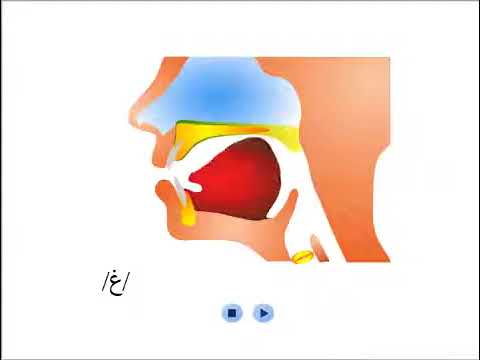
Clear pronunciation supports accurate memorization. These short lessons from our YouTube channel show how Arabic letters are produced and explain common Tajweed rules. Some were made with younger learners in mind, but the pronunciation points apply at any age.
Arabic Letter Pronunciation — Watch and Practice
3D animations showing where each letter is pronounced (its makhraj).



Tajweed Practice
3 videos
Short explanations of heavy letters, ghunnah, and qalqalah.


Arabic Letters
4 videos
Letter-by-letter introductions for learning to read.




More lessons are on our YouTube channel.
How to Memorize Quran as an Adult
Most workable plans follow the same simple cycle. Portion size and pace change from person to person; the order of the steps stays the same.
Check your reading and current level
Read a little aloud to a teacher, or compare yourself with a reliable recitation. This shows whether to start with reading practice, short surahs, or where you left off.
Listen to a small, suitable portion
Listen to a clear reciter several times while following the Arabic text. Pick a portion small enough to learn accurately in one sitting.
Repeat and recite with correction
Read the portion aloud, then recite it from memory. Have it heard so mistakes in letters, vowels, or Tajweed are fixed before they settle in.
Connect the portion and recall it
Join the new portion to the verses before it, then recite the whole passage without looking. Recall, not re-reading, shows what is truly memorized.
Review new and older memorization
Revise recent portions and older sections on a rotation. As your memorization grows, revision takes a larger share of your time.
Can’t read Arabic yet? Start there.
Not understanding Arabic and not yet being able to read the Arabic script are different things. Many people memorize accurately without understanding the language, but reading the script lets you check each letter and vowel yourself. English transliteration cannot show several Arabic sounds, so it is a weak foundation for Hifz.
Listen to a reliable reciter, learn to read step by step, and have a teacher correct you. Our Quran reading lessons for adults cover this first stage.
You don’t need every Tajweed rule first
Pronouncing the letters correctly matters from day one, but you can begin memorizing while you learn Tajweed rules gradually. A teacher points out what to fix in each portion, so the rules are learned in context.
To study the rules in a structured way, see Tajweed classes for adults. For more methods, read our guide to Quran memorization techniques.
Try the Free Quran Memorization Tool
Practice between lessons or on your own. The tool plays each verse in the recitation of Sheikh Mahmoud Khalil Al-Husary, lets you repeat a single verse or a range of verses, and lets you mark what you have memorized. You can also test yourself by putting a verse’s words in order or reciting with words hidden. The Saheeh International English translation is included, and more Juz’ are being added over time.
The tool supports personal practice: it plays the recitation and checks that you remember the words, but it cannot hear you recite. Recitation correction comes from a teacher who listens to you.
Quran Memorization Classes for Adults
A teacher’s main role in Hifz is to hear you recite and keep your plan realistic. In our live one-on-one classes, that guidance covers four things:
Checking your recitation
Your teacher listens to each portion and corrects letters, vowels, and Tajweed as you go.
Choosing manageable portions
New portions are sized to your reading and your schedule: enough to make progress without crowding out revision.
Reviewing earlier memorization
Lessons include reciting earlier sections, so weak spots are found and strengthened.
Adjusting the plan as you progress
When life gets busier or your memorization gets stronger, the balance of new work and revision changes with it.
Memorizing by yourself, with a teacher, or both
You can memorize Quran by yourself with a reliable recitation and steady revision, and most learners do part of their work alone. The difficulty is that it is hard to hear your own mistakes. A practical middle path is daily self-practice plus regular lessons where a teacher hears and corrects what you have memorized.
Classes at Quran Book Online
- Live one-on-one lessons online
- Class times arranged around your time zone and routine
- Female Quran teachers available for sisters
- A free trial class with no commitment
New to Islam? See our new Muslim programs. Want to understand what you memorize? Explore Tafseer classes for adults.
Start with a free trial class. Share your level and the times that suit you, and our team will contact you to confirm your class.
Book Your Free TrialA Hifz Routine That Fits Your Day
Every routine needs three parts: new memorization, revision of recent portions, and revision of older ones. Below are two example days. They are starting points to adjust with your teacher, not a schedule everyone should follow.
| Part of the routine | Example A: just starting | Example B: several Juz’ memorized |
|---|---|---|
| New memorizationToday’s new portion | 15 min | 10 min |
| Recent revisionRoughly the last week’s portions | 10 min | 10 min |
| Older revisionEarlier memorization, in rotation | 5 min | 25 min |
| Total | 30 min | 45 min |
Notice how the balance shifts. As you memorize more, older revision needs more time, and new memorization may slow down. That is normal. On a very busy day, keep your revision and shorten the new portion rather than the other way around.
- You can split the time, for example new memorization in a quiet morning slot and revision later in the day.
- Reciting recently memorized verses in your prayers adds natural extra review.
- If you are short on time, a smaller daily portion you can keep up is better than a large one you have to stop.
The Prophet ﷺ said: keep revisiting the Quran, for by the One in whose hand is the soul of Muhammad, it slips away more readily than camels from their tethers.
Quran Memorization for Adults: Frequently Asked Questions
Can you memorize Quran as an adult?
Yes. Adults of all ages memorize the Quran, from a few short surahs to the whole Quran. Progress depends on your reading level, the time you can give, and how regularly you revise, so it differs from one person to the next.
Can you memorize Quran by yourself?
You can do much of the work alone with a reliable recitation and steady revision. What is hard to do alone is noticing your own mistakes, so have your recitation checked regularly by a qualified teacher, even if most of your practice is independent.
How long does adult Quran memorization take?
There is no fixed timeline. It depends on how fluently you read, how much time you have each day, the size of your portions, and how much revision you need. A teacher can give a more realistic estimate after hearing you recite and learning about your schedule.
Can you memorize without understanding Arabic?
Yes. Many people memorize accurately without understanding Arabic. Learning the meaning through a translation or Tafseer classes can add focus and connection to what you memorize, and you can study it alongside your Hifz.
What if you cannot read Arabic yet?
Make learning to read the Arabic script your first step. Transliteration cannot show several Arabic sounds, so it leads to mistakes that are hard to undo. While you learn to read, you can still memorize short surahs by listening to a reliable reciter, as long as a teacher checks your pronunciation.
How much should you memorize each day?
Memorize an amount you can recite correctly today and still revise tomorrow. For many beginners that is a few verses or a few lines; for others it is more. Increase the portion only when your revision stays strong.
How do you balance new memorization and revision?
Treat revision as the part you protect. Early on, most of your time can go to new memorization; as the amount you have memorized grows, revision needs a larger share. On busy days, shorten the new portion before cutting revision.
How do you book a free trial?
Select Book Your Free Trial and fill in the short form with your details, choose Quran Memorization (Hifz) as the course, and pick your preferred days and times. Our team will contact you to confirm the class time.
Start With Guidance That Fits Your Level
Whether you are learning your first surah or returning to memorization you have let slip, a free trial class is a simple way to begin. Tell us your level and the times that suit you, and we will arrange your class from there.