🏠 Home About
🕌 About Us ⚙️ How It Works 👨‍🏫 Meet Our Teachers
🧒 For Kids
Fiqh for Kids Arabic Online for Kids Islamic School for Kids Tajweed Made Easy Quran Memorization Nour El Bayan Noorani Qaida
👨 For Adults
Tajweed for Adults Islamic School for Adults Quran Memorization Arabic Online Online Quran for Adults
🧕 Ladies Section
Online Quran for Ladies Islamic Studies for Sisters Female Quran Teachers
✨ More Programs
Online Islamic School Quran with Tajweed Quranic Arabic Ijaza in Quran Online Quran Classes Qiraat Course Online Hifz Course Quran Memorization Course New Muslim Programs
📝 Articles 💰 Price 🎁 Free Trial

Category: Uncategorized

  • ya hayyu ya qayyum bi rahmatika astaghees benefits

    Ya Hayyu Ya Qayyum Bi Rahmatika Astaghees Benefits: A Complete Guide to Finding Peace and Relief

    Ya Hayyu Ya Qayyum Bi Rahmatika Astaghees Benefits: A Complete Guide to Finding Peace and Relief

    Discover the Transformative Power of This Sacred Dua

    Quran Book Academy | quranbookonline.com
    Ya Hayyu Ya Qayyum benefits - Muslim finding spiritual peace through dua and prayer
    A serene image showing a Muslim in peaceful contemplation or prayer, hands raised in dua, with soft lighting symbolizing spiritual tranquility and divine connection.

    1. Introduction: Finding Peace Through the Divine Names of Allah

    “The ya hayyu ya qayyum bi rahmatika astaghees benefits include immediate relief from anxiety, spiritual tranquility, and divine assistance during hardship. This powerful dua invokes Allah’s names ‘The Ever-Living’ and ‘The Self-Sustaining,’ creating a direct connection to Allah’s mercy during moments of distress.”

    Have you ever felt overwhelmed by life’s challenges, desperately seeking a connection with your Creator but feeling intimidated by Arabic pronunciation? Perhaps you’ve tried to learn Islamic supplications before, only to feel discouraged by the complexity of proper recitation. If so, you’re not alone, and your desire to connect with Allah through His beautiful names shows the sincerity in your heart.

    The dua “Ya Hayyu Ya Qayyum Bi Rahmatika Astaghees” is one of the most powerful supplications in Islam, offering profound ya hayyu ya qayyum bi rahmatika astaghees benefits that can transform your spiritual life. Whether you’re dealing with anxiety, facing difficult decisions, or simply seeking a deeper connection with Allah, this comprehensive guide will show you how this blessed dua can become your source of comfort and strength.

    Allah says in the Quran:

    “And your Lord says, ‘Call upon Me; I will respond to you.’” (Surah Ghafir 40:60)

    This divine promise reminds us that Allah is always ready to answer our calls. Through understanding and practicing this powerful dua, you can experience the transformative ya hayyu ya qayyum bi rahmatika astaghees benefits that countless Muslims have cherished for generations.

    2. What Does Ya Hayyu Ya Qayyum Bi Rahmatika Astaghees Mean?
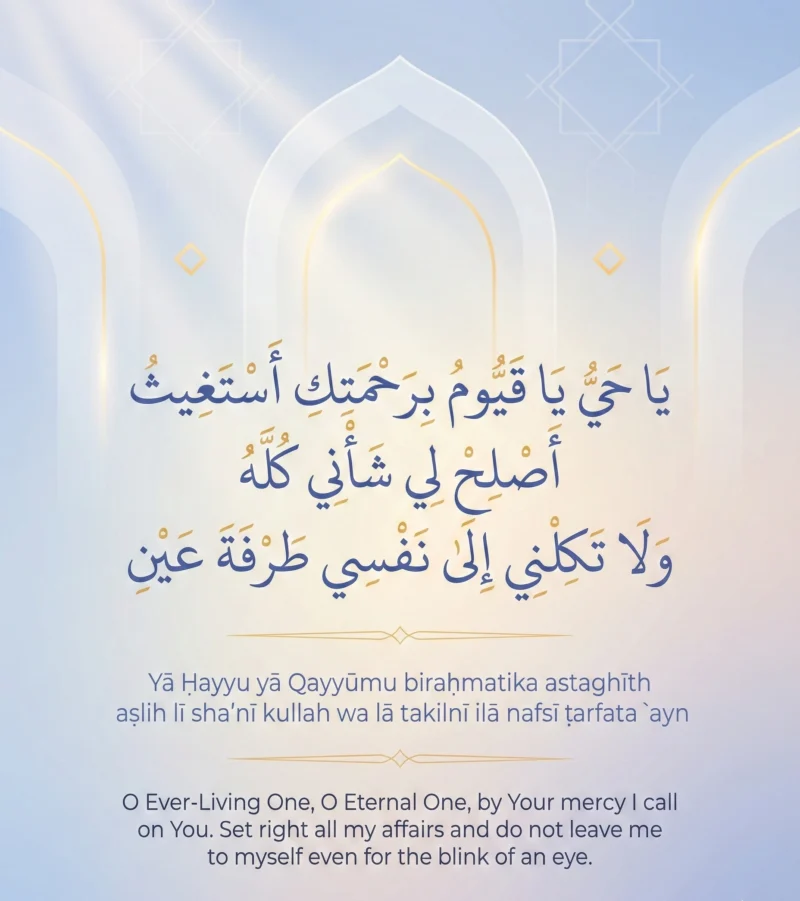
    Ya Hayyu Ya Qayyum meaning - Beautiful Arabic calligraphy of Allah's names Al-Hayyu Al-Qayyum
    Elegant Islamic calligraphy featuring the Arabic text of Ya Hayyu Ya Qayyum, with Ayatul Kursi reference, in traditional Islamic artistic style with gold and green accents.
    “Ya Hayyu Ya Qayyum Bi Rahmatika Astaghees translates to: ‘O Ever-Living, O Self-Sustaining, by Your Mercy I seek relief.’ This dua directly invokes two of Allah’s greatest names while asking for His merciful assistance in times of need.”

    Understanding the meaning of ya hayyu ya qayyum bi rahmatika astaghees deepens your spiritual connection and enhances the benefits of reciting this powerful dua. Let’s explore the word-by-word translation:

    Arabic Word Transliteration English Meaning
    يَا حَيُّ Ya Hayyu O Ever-Living
    يَا قَيُّومُ Ya Qayyum O Self-Sustaining
    بِرَحْمَتِكَ Bi Rahmatika By Your Mercy
    أَسْتَغِيثُ Astaghees I seek relief/help

    These two divine names, Al-Hayyu and Al-Qayyum, appear together in Ayat-ul-Kursi (Surah Al-Baqarah 2:255), which is considered the greatest verse in the Quran. By invoking these names, you’re calling upon Allah’s eternal existence and His power to sustain all creation. The phrase “Bi Rahmatika Astaghees” completes the supplication by humbly requesting Allah’s mercy and seeking relief from whatever difficulties you face.

    3. The 7 Transformative Ya Hayyu Ya Qayyum Bi Rahmatika Astaghees Benefits

    Benefits of reciting Ya Hayyu Ya Qayyum - 7 spiritual benefits of Islamic dua for anxiety relief
    An infographic-style image showing the 7 benefits of the dua with Islamic design elements, including icons representing peace, protection, answered prayers, and spiritual connection.
    “The seven key ya hayyu ya qayyum bi rahmatika astaghees benefits include: (1) Immediate anxiety relief, (2) Spiritual tranquility, (3) Protection from calamities, (4) Answered prayers, (5) Heart purification, (6) Increased barakah, and (7) Strengthened connection with Allah.”
    1

    Immediate Relief from Anxiety and Distress

    The Prophet Muhammad (peace be upon him) would recite this dua when faced with difficult matters (Tirmidhi). When anxiety strikes, turning to Allah through this supplication activates a spiritual mechanism that brings calmness to the heart. The very act of acknowledging Allah as Al-Hayyu (The Ever-Living) reminds us that our temporary troubles are in the hands of the Eternal One.

    2

    Achieving Spiritual Tranquility (Sakina)

    Allah tells us in the Quran: “Verily, in the remembrance of Allah do hearts find rest” (Surah Ar-Ra’d 13:28). The ya hayyu ya qayyum bi rahmatika astaghees benefits include achieving this state of sakina (tranquility) that modern psychology recognizes as essential for mental well-being. This form of dhikr serves as a powerful mindfulness practice rooted in Islamic tradition.

    3

    Protection from Calamities

    Regular recitation of this dua creates a spiritual shield around the believer. When you consistently invoke Allah’s greatest names, you establish a protective connection that guards you from various calamities and hardships.

    4

    Facilitating Answered Prayers

    Many scholars believe that Al-Hayyu and Al-Qayyum are part of Ism Allah al-A’zam (Allah’s Greatest Name). According to authentic hadith narrations, when Allah’s Greatest Name is invoked, duas are particularly likely to be accepted. This makes the ya hayyu ya qayyum bi rahmatika astaghees benefits especially significant for those seeking answers to their prayers.

    5

    Heart Purification and Spiritual Cleansing

    Consistent dhikr, including this powerful dua, cleanses the heart from spiritual diseases such as arrogance, envy, and attachment to worldly matters. This purification process opens the heart to receive divine guidance and blessings.

    6

    Increased Barakah in Daily Life

    Barakah (divine blessings) manifests in various aspects of life when you maintain connection with Allah through His beautiful names. Many who practice this dua regularly report experiencing increased blessings in their time, wealth, relationships, and overall life circumstances.

    7

    Strengthened Connection with Allah

    Perhaps the most profound of all ya hayyu ya qayyum bi rahmatika astaghees benefits is the deepened relationship with your Creator. Understanding and reciting Allah’s names with sincerity strengthens your iman (faith) and creates a lasting bond that brings peace in this life and the next.

    Imagine Your Life Transformed

    Picture yourself waking each morning with a sense of peace, facing challenges with confidence because you know The Ever-Living, The Self-Sustaining is always with you. Envision the anxiety melting away as you recite “Ya Hayyu Ya Qayyum Bi Rahmatika Astaghees,” feeling the weight of your worries lifted by divine mercy. This is not a distant dream; it is the reality experienced by countless Muslims who have made this dua a cornerstone of their spiritual practice.

    4. Understanding Al-Hayyu and Al-Qayyum: Exploring Asma-ul-Husna
    Asma-ul-Husna Al-Hayyu Al-Qayyum - Names of Allah spiritual benefits
    A beautiful Islamic design featuring Al-Hayyu and Al-Qayyum in Arabic calligraphy, with the 99 Names of Allah motif in the background, emphasizing these two supreme divine names.
    “Al-Hayyu (The Ever-Living) refers to Allah’s eternal existence without beginning or end. Al-Qayyum (The Self-Sustaining) means Allah sustains all creation while needing nothing Himself. Together, these names appear in Ayat-ul-Kursi and are considered among Allah’s greatest names (Ism Allah al-A’zam).”

    Al-Hayyu

    (The Ever-Living)

    This magnificent name signifies that Allah’s life is perfect and eternal. Unlike created beings who experience birth and death, Allah has always existed and will forever exist. His life is not dependent on anything; rather, all life depends on Him. When you call upon Al-Hayyu, you’re acknowledging that the source of all life is listening to your supplication.

    Al-Qayyum

    (The Self-Sustaining)

    This name means that Allah sustains Himself and all of creation. He needs nothing while everything needs Him. The entire universe, from the smallest atom to the largest galaxy, is maintained by Al-Qayyum. This name reminds us of our complete dependence on Allah for every breath we take.

    Quranic References:

    In Surah Al-Baqarah 2:255 (Ayat-ul-Kursi), Allah declares: “Allah – there is no deity except Him, the Ever-Living, the Self-Sustaining…”

    And in Surah Taha 20:111: “And all faces will be humbled before the Ever-Living, the Self-Sustaining.”

    Many scholars, including Ibn Taymiyyah and Ibn al-Qayyim, have stated that Al-Hayyu and Al-Qayyum together may constitute or contain Ism Allah al-A’zam (Allah’s Greatest Name). This is why invoking these names in dua carries such tremendous spiritual weight and why the ya hayyu ya qayyum bi rahmatika astaghees benefits are so profound.

    5. Prophet Muhammad’s (Peace Be Upon Him) Advice to Fatimah (RA) About This Blessed Dua

    Prophet Muhammad dua advice - Islamic family teaching morning evening adhkar
    A warm, family-oriented image showing a Muslim family engaged in spiritual practice together, perhaps during morning or evening adhkar time, symbolizing the passing of Prophetic traditions through generations.
    “The Prophet (Peace Be Upon Him) advised his daughter Fatimah (RA) to recite morning and evening dhikr including invocations with Allah’s greatest names. The dua ‘Ya Hayyu Ya Qayyum’ is part of the morning and evening adhkar that brings protection and spiritual strength throughout the day.”

    One of the most beautiful aspects of Islamic tradition is the tender relationship between Prophet Muhammad (peace be upon him) and his beloved daughter Fatimah (may Allah be pleased with her). The Prophet’s advice to his daughter regarding spiritual practices demonstrates his deep concern for her well-being in this life and the hereafter.

    According to authentic narrations in Tirmidhi and Hakim, the Prophet (peace be upon him) taught Fatimah (RA) various morning and evening supplications that included invocations of Allah’s greatest names. These adhkar (remembrances) were meant to provide protection, spiritual strength, and divine assistance throughout the day and night.

    This Prophetic guidance is particularly relevant for modern families. Just as the Prophet cared for his daughter’s spiritual well-being, parents today can follow his example by teaching their children these blessed supplications. The ya hayyu ya qayyum bi rahmatika astaghees benefits extend across generations when this practice is passed down within families.

    6. How to Pronounce Ya Hayyu Ya Qayyum Correctly with Tajweed

    “To pronounce Ya Hayyu Ya Qayyum correctly: (1) Start with ‘Ya’ as a calling/vocative, (2) ‘Hayyu’ emphasizes the double ‘y’ sound, (3) ‘Qayyum’ has a strong ‘Q’ from deep in the throat with doubled ‘y’, (4) ‘Bi Rahmatika’ flows smoothly, (5) ‘Astaghees’ ends with a clean ‘s’ sound.”

    Step-by-Step Pronunciation Guide:

    1
    “Ya” (يَا): Begin with the calling particle “Ya,” which is like saying “O!” in English. This is the vocative case, used when directly addressing someone.
    2
    “Hayyu” (حَيُّ): Pronounce with emphasis on the shaddah (the doubled ‘y’ sound). The ‘Ha’ comes from the throat, and the ‘yy’ is held slightly longer due to the shaddah.
    3
    “Ya Qayyum” (يَا قَيُّومُ): The Qaf (ق) is crucial here; it comes from deep in the throat, not like the English ‘K’. The double ‘y’ (shaddah) is emphasized, and the word ends with a dhammah (oo sound).
    4
    “Bi Rahmatika” (بِرَحْمَتِكَ): This phrase flows smoothly, meaning “by Your Mercy.” Pay attention to the ‘Ra’ which is slightly rolled.
    5
    “Astaghees” (أَسْتَغِيثُ): Conclude with “I seek relief.” The ‘Ghain’ (غ) is a guttural sound from the throat, and the word ends with a clean ‘th’ sound.

    Common Pronunciation Mistakes to Avoid:

    • Mispronouncing the Qaf (ق) as a ‘K’ sound, missing the deep throat articulation
    • Skipping or rushing through the shaddah on Hayyu and Qayyum
    • Not giving proper attention to the Ghain (غ) in Astaghees
    • Rushing through the dua without observing proper tajweed rules

    7. The Academy Method: How Quran Book Academy Teaches Duas with Proper Tajweed

    Quran Book Academy online Quran learning - Live Zoom tajweed classes for beginners
    A professional image showing online Quran learning in action, perhaps a split screen of teacher and student on Zoom, or a student learning with a laptop in a comfortable home setting.
    “The Academy Method breaks complex Arabic pronunciation into small, manageable psychological ‘chunks’ that non-Arabic speakers can master step-by-step. Through live Zoom sessions and a custom LMS tracking system, students receive personalized feedback and Gmail progress reports, making Quran learning accessible for beginners worldwide.”
    🧠

    Psychological Chunking Approach

    We break complex duas into bite-sized learning units. Each “chunk” is mastered before moving to the next, reducing overwhelm and building confidence progressively.

    💻

    Technology Stack

    Live Zoom Sessions: One-on-one and group classes with real-time feedback.
    Custom LMS: Track progress with detailed metrics.
    Gmail Reports: Regular progress updates to your inbox.

    🛡️

    Addressing Learning Barriers

    Fear of Failure: Judgment-free environment.
    Time Constraints: Flexible scheduling across all time zones.
    Pronunciation Anxiety: Patient, repetition-based practice.

    Book Your FREE Trial Lesson Today

    Experience The Academy Method firsthand!

    8. When and How to Recite Ya Hayyu Ya Qayyum for Maximum Benefits
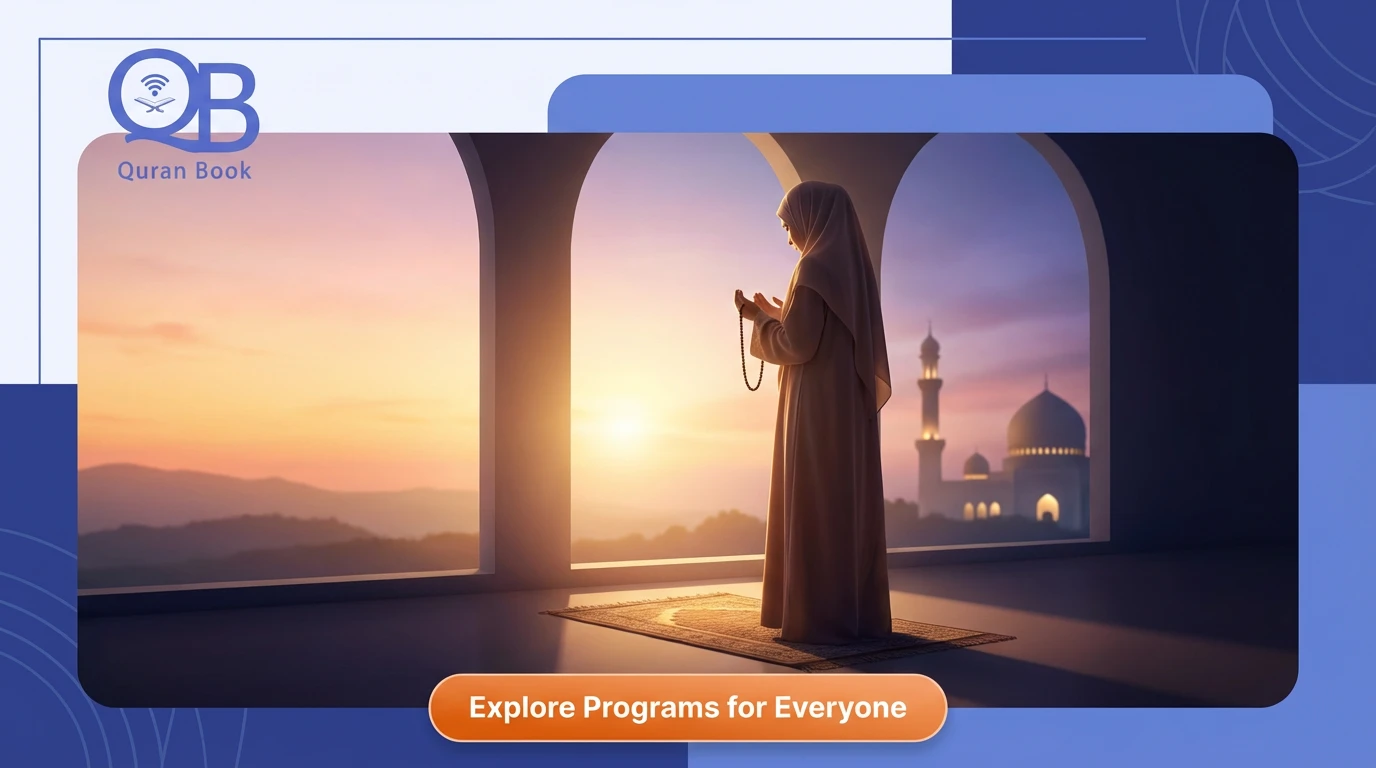
    Dua for anxiety and distress Ya Hayyu Ya Qayyum - Morning evening adhkar practice
    A peaceful image depicting the ideal times for dhikr, showing a Muslim at dawn or dusk in prayer/contemplation, symbolizing the morning and evening adhkar routine.
    “Recite Ya Hayyu Ya Qayyum during morning and evening adhkar, in sujood (prostration), during the last third of the night, when facing difficulties, and after obligatory prayers. Consistency is key—even reciting it three times daily can bring transformative spiritual benefits.”

    Best Times for Recitation:

    1 Morning Adhkar (after Fajr prayer)
    2 Evening Adhkar (after Maghrib prayer)
    3 During Sujood (prostration)
    4 Last third of the night (Tahajjud)
    5 When facing difficulty or anxiety
    6 Between Adhan and Iqamah

    Recommended Practice Routine:

    Minimum: Recite 3 times in the morning and 3 times in the evening to begin experiencing the ya hayyu ya qayyum bi rahmatika astaghees benefits.
    Ideal: Incorporate into your daily dhikr routine with 33 or 100 repetitions for deeper spiritual connection.
    Intensive: During particularly difficult times, recite as much as possible, allowing the dua to become a constant source of comfort.

    The key to maximizing the ya hayyu ya qayyum bi rahmatika astaghees benefits is consistency. Even a small, regular practice is more valuable than occasional lengthy sessions. Make this dua a non-negotiable part of your daily routine.

    9. Frequently Asked Questions About Ya Hayyu Ya Qayyum Benefits
    Ya Hayyu Ya Qayyum for success and mercy - FAQ about Islamic dua benefits
    A clean, informative image suggesting Q&A format, showing open Islamic books or a person in contemplative study, representing the seeking of knowledge about duas.
    Q1: What is the meaning of Ya Hayyu Ya Qayyum Bi Rahmatika Astaghees?
    It translates to “O Ever-Living, O Self-Sustaining, by Your Mercy I seek relief.” This powerful dua invokes two of Allah’s greatest names (Al-Hayyu and Al-Qayyum) while asking for His merciful help during times of difficulty or distress.
    Q2: What are the main benefits of reciting Ya Hayyu Ya Qayyum?
    The primary ya hayyu ya qayyum bi rahmatika astaghees benefits include relief from anxiety and distress, spiritual tranquility, protection from calamities, facilitation of answered prayers, heart purification, increased barakah, and a strengthened connection with Allah.
    Q3: How many times should I recite this dua daily?
    While there is no fixed number, scholars recommend reciting it at least 3 times in the morning and evening adhkar. For increased benefit, many Muslims recite it 33 or 100 times as part of their daily dhikr routine.
    Q4: Is Ya Hayyu Ya Qayyum part of Ism Allah al-A’zam (Allah’s Greatest Name)?
    Many scholars believe that Al-Hayyu and Al-Qayyum are part of Ism Allah al-A’zam or may even be the Greatest Name itself, based on various hadith narrations. When these names are invoked, duas are particularly likely to be accepted.
    Q5: Can non-Arabic speakers learn to pronounce this dua correctly?
    Absolutely! At Quran Book Academy, we specialize in teaching non-Arabic speakers proper pronunciation through our psychological chunking method. Our live Zoom sessions provide personalized feedback to help you master the correct tajweed.
    Q6: What did Prophet Muhammad (Peace Be Upon Him) say about this dua?
    The Prophet (Peace Be Upon Him) would recite invocations including Ya Hayyu Ya Qayyum when faced with difficult matters. He also advised his daughter Fatimah (RA) to incorporate morning and evening adhkar that include Allah’s greatest names for protection and spiritual strength.

    10. Conclusion: Begin Your Spiritual Journey with Ya Hayyu Ya Qayyum Today

    Ya Hayyu Ya Qayyum bi rahmatika astaghees benefits - Begin your spiritual journey with Islamic dua
    An inspiring, hopeful image showing a path or doorway symbolizing the beginning of a spiritual journey, with Islamic architectural elements or natural beauty representing divine guidance.

    Throughout this comprehensive guide, we’ve explored the profound ya hayyu ya qayyum bi rahmatika astaghees benefits that await those who embrace this powerful supplication. From immediate anxiety relief and spiritual tranquility to protection from calamities and answered prayers, this dua offers a gateway to a transformed spiritual life.

    Remember, you don’t need to be perfect to start this journey. Allah knows your heart and appreciates every sincere effort you make to connect with Him. As He reminds us in Surah Al-Baqarah 2:286: “Allah does not burden a soul beyond that it can bear.”

    The path to mastering this dua begins with a single step. Whether you’re in the USA, UK, Canada, Australia, or anywhere else in the world, the ya hayyu ya qayyum bi rahmatika astaghees benefits are accessible to you right now.

    Ready to Experience the Transformative Benefits?

    At Quran Book Academy, our expert teachers will guide you through correct pronunciation with personalized feedback via Zoom, tracked progress on our custom LMS, and regular Gmail reports.

    Book Your FREE Trial Lesson Today

    Discover how this powerful dua can transform your connection with Allah.

    📚 References & Further Reading

  • quran mosquito parable science

    Mosquito in the Quran: 5 Powerful Lessons from Surah Al-Baqarah
    Quran Book Academy
    Free Trial

    Mosquito in the Quran: 5 Powerful Lessons from Surah Al-Baqarah

    Exploring Divine Wisdom in the Smallest of Creations | Islamic Studies

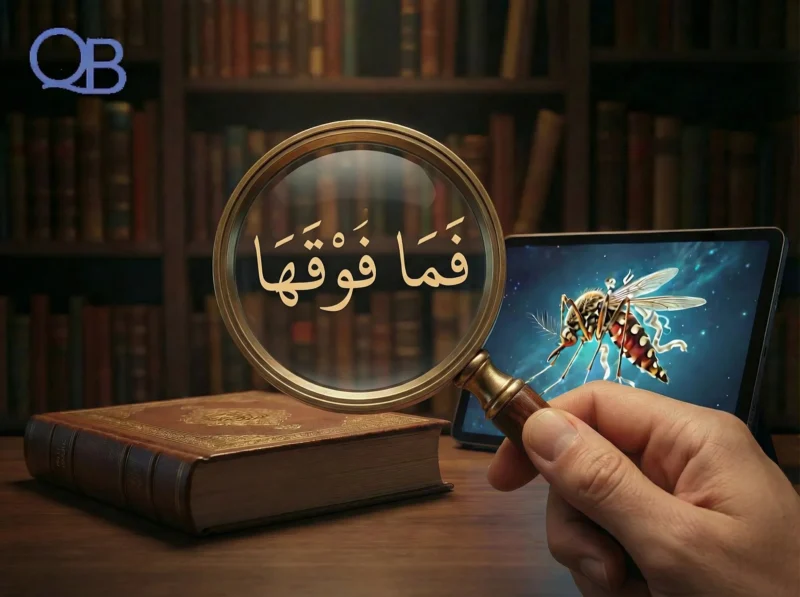
    Mosquito in the Quran verse from Surah Al-Baqarah with Arabic calligraphy
    Surah Al-Baqarah 2:26 – The Mosquito Verse in elegant Islamic calligraphy design

    Have you ever wondered why Allah mentions something as small as a mosquito in the Quran? Many Muslims struggle to connect with deeper Quranic wisdom, feeling overwhelmed by complex interpretations. Yet, the mosquito in the Quran offers profound lessons that transform how we approach faith, humility, and divine wisdom. In Surah Al-Baqarah 2:26, Allah uses this tiny creature to teach believers five powerful truths that apply to our modern lives. Whether you’re seeking Islamic lessons for your children or yearning to deepen your Quran understanding, this verse holds practical wisdom for everyone.

    The Mosquito in the Quran: What Does Surah Al-Baqarah Say?

    The mosquito mentioned in Quran appears in Surah Al-Baqarah, verse 26. Allah states:

    Indeed, Allah is not ashamed to present an example—that of a mosquito or what is smaller than it. And those who have believed know that it is the truth from their Lord. But as for those who disbelieve, they say, ‘What did Allah intend by this as an example?’ He misleads many thereby and guides many thereby. And He misleads not except the deviantly disobedient.

    This Quran verse about mosquito was revealed during the Madinah period when critics mocked the Quran’s use of simple examples. Some doubted why Allah would mention insignificant creatures like spiders, flies, bees, or mosquitoes in divine revelation. The verse directly addresses this skepticism, affirming that divine wisdom transcends human judgment of what seems “too small” for Allah’s attention.

    📜 Why Was This Verse Revealed?

    According to Ibn Kathir’s renowned Tafsir, this verse responded to disbelievers who questioned the Quran’s legitimacy based on its use of everyday examples. They wondered how a divine book could reference common insects. Allah’s response is profound: truth doesn’t require grand symbols to validate itself.

    The Quran mentions various creatures—spiders, flies, bees, and the mosquito in the Quran—to demonstrate that every creation, regardless of size, contains divine wisdom. This Islamic perspective on mosquitoes extends beyond literal biology into spiritual understanding and humility before Allah’s infinite knowledge.

    5 Profound Lessons from the Mosquito Verse

    1 Nothing Is Too Small for Allah’s Attention

    The mosquito in the Quran reminds us that Allah’s care extends to every detail of our lives. When you make dua for something that seems insignificant—a child’s worry, a small financial need, a minor health concern—remember this verse. If Allah doesn’t consider a mosquito beneath His mention in the eternal Quran, He certainly doesn’t dismiss your smallest prayers.

    💡 Practical Takeaway:

    Start acknowledging “small” blessings in your daily gratitude practice. The functioning of your eyes, the air you breathe, the safety of your home—these seemingly minor gifts reflect Allah’s detailed care.

    2 Wisdom Recognizes Truth in All Forms

    Ibn Abbas, the Prophet Muhammad’s ﷺ cousin, explained this verse beautifully: believers recognize truth whether presented through grand miracles or simple examples. The Surah Baqarah mosquito verse divides humanity into two categories—those whose hearts are open to wisdom regardless of the vessel, and those who reject truth based on superficial judgments.

    A hadith in Sahih Muslim reinforces this: “The believer’s affair is amazing; all of his matters are good for him.” Whether Allah teaches through a mosquito or a mountain, the lesson remains profound for those with humble hearts.

    3 Scientific Miracles Confirm Quranic Truth

    The phrase “or what is smaller than it” in the mosquito mentioned in Quran astounded modern scientists. Written 1,400 years ago, this statement anticipated microscopic organisms invisible to the naked eye—bacteria, viruses, atoms, and subatomic particles.

    Quranic Statement Scientific Discovery Size Comparison
    “What is smaller than a mosquito” Microscopic organisms Bacteria: 1000x smaller
    Divine knowledge in 7th century Microscope invented 1590 CE Viruses: 10,000x smaller
    No human technology available Electron microscope 1931 Atoms: millions of times smaller

    This Islamic perspective on mosquitoes extends beyond the visible world into realms only recently confirmed by science.

    4 Allah’s Examples Are Universal

    The accessibility of the mosquito example demonstrates divine mercy. Allah didn’t choose obscure creatures known only to scholars. He selected a mosquito—something encountered by every human across cultures, climates, and centuries. You don’t need advanced Arabic knowledge to grasp the mosquito in the Quran lesson. A child can understand that small things matter to Allah, while adults appreciate deeper layers of humility and wisdom.

    5 Humility Opens Hearts, Pride Closes Them

    Here lies the deepest lesson of the Quran verse about mosquito: your response to simple truths reveals your spiritual condition. When disbelievers heard about the mosquito example, they scoffed. Believers, however, thought, “If Allah teaches through a mosquito, every detail of creation contains guidance.”

    The Prophet Muhammad ﷺ warned in Sahih Muslim: “No one who has even an atom’s weight of pride in his heart will enter Paradise.”

    The Surah Baqarah mosquito verse teaches us that pride manifests in rejecting simple beginnings, while humility embraces gradual growth.

    Common Questions About Mosquitoes in Islam

    Is Killing a Mosquito Haram in Islam?

    No, killing a mosquito is not haram in Islam. The Prophet Muhammad ﷺ permitted eliminating harmful creatures that pose threats to human health. Islamic scholars from Sahih Bukhari apply this principle to disease-carrying insects while emphasizing balance—eliminate threats when necessary but avoid unnecessary harm.

    Does Killing a Mosquito Break Wudu?

    No, killing a mosquito does not break wudu. Islamic scholars have consensus that wudu is only invalidated by specific actions like urination, defecation, passing gas, or deep sleep. Your ablution remains valid for prayer after swatting a mosquito.

    Are Mosquitoes Mentioned Elsewhere in the Quran?

    The mosquito mentioned in Quran appears only in Surah Al-Baqarah 2:26. However, other creatures feature throughout with spiritual lessons:

    Creature Surah Reference Lesson Taught
    🐝 Bee Surah An-Nahl (16:68-69) Divine inspiration, productivity
    🕷️ Spider Surah Al-Ankabut (29:41) False security, weak reliance
    🪰 Fly Surah Al-Hajj (22:73) Human powerlessness
    🐜 Ant Surah An-Naml (27:18) Community, communication

    Conclusion

    The mosquito in the Quran is far more than a passing reference—it’s a profound teaching tool that challenges our pride, confirms scientific truths, and demonstrates Allah’s care for every detail of creation. Through Surah Al-Baqarah 2:26, we learn that divine wisdom comes in all sizes, and humble hearts recognize truth regardless of its vessel.

    Start Your Free Trial in Islamic Course

    References & Links

    Source Description Link/Reference
    Quran (Surah Al-Baqarah 2:26) Primary verse about mosquito Quran.com
    Tafsir Ibn Kathir Classical Quranic interpretation IslamicStudies.info
    Sahih Muslim Hadith about pride Sunnah.com
    Sahih Bukhari Hadith about harmful animals Sunnah.com
    Surah An-Nahl (16:68-69) Bee verse reference Quran.com
    Surah Al-Ankabut (29:41) Spider verse reference Quran.com
    Surah Al-Hajj (22:73) Fly verse reference Quran.com
    Surah An-Naml (27:18) Ant verse reference Quran.com

    © 2026 Islamic Wisdom. All rights reserved.

    Spreading the light of Quranic wisdom to hearts around the world