Sunnah Compliments Etiquette: 7 Powerful Rules Every Muslim Should Know
✍️ By Quran Book Academy | 📅 Islamic Manners Series

Introduction
Have you ever complimented someone and immediately wondered — was that okay Islamically? Or received praise and felt unsure how to respond without sounding arrogant? You are not alone. Many Muslims struggle with the etiquette of giving and receiving compliments because of the fear of giving the evil eye, showing off, or simply not knowing the right words to say.
Understanding sunnah compliments etiquette removes this anxiety and replaces it with confidence rooted in prophetic guidance. The Quran itself encourages us to acknowledge blessings openly: “And as for the favor of your Lord, report it.” (Quran 93:11). This article breaks the topic into 7 clear rules backed by authentic hadith, so you can praise others — and receive praise — the way the Prophet ﷺ taught us.
🌟 Want to deepen your understanding of Islamic manners?
Explore Islamic Courses for Adults →What Does the Sunnah Teach About Compliments in Islam?
The Sunnah teaches that compliments in Islam are permissible and even encouraged when done sincerely, moderately, and with attribution to Allah. The Prophet ﷺ himself praised companions for specific virtues but warned against excessive flattery that could lead to arrogance or harm the praised person’s faith.
“If one of you must praise someone, he should say, ‘I consider that so-and-so is such-and-such.’ Allah is the One who will take account of him… and none can attest to someone’s character before Allah.”
— Sahih al-Bukhari 6162
There is a clear distinction between encouraged and discouraged praise in Islam:
Learning how to praise someone in Islam correctly is a core part of Islamic manners that every Muslim should master. For comprehensive guidance, consider exploring our complete course programs.
Is It Sunnah to Compliment Someone? — 7 Prophetic Rules
1 Attribute Every Good Quality to Allah First
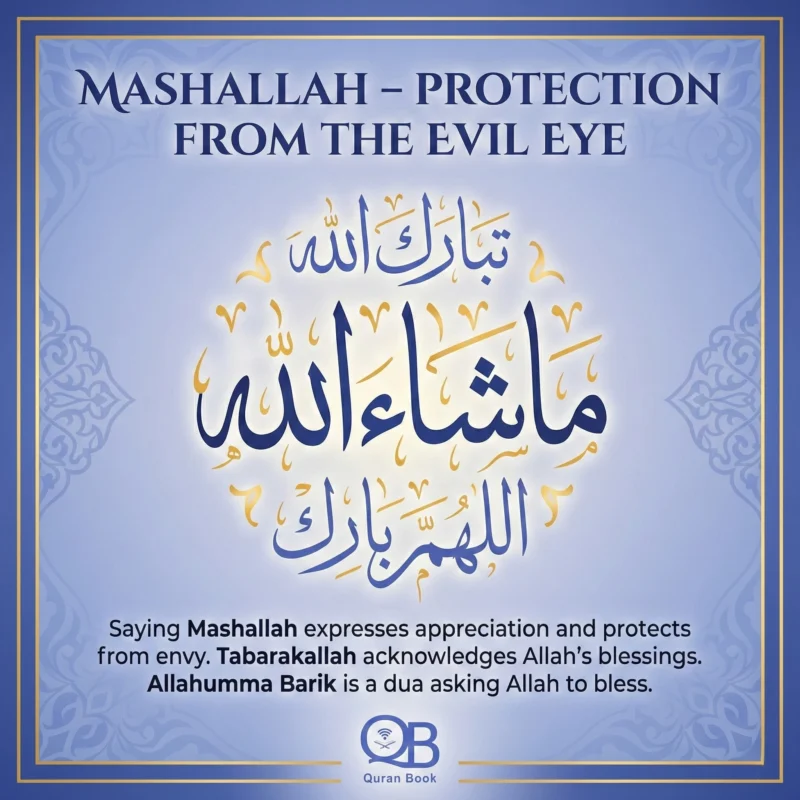
The Sunnah way is to say “Mashallah” or “Allahumma Barik” before or alongside any compliment. This Mashallah etiquette protects the praised person from the evil eye and keeps the heart humble. Allah says: “But you should have said, ‘What Allah willed [has occurred]; there is no power except in Allah.’” (Quran 18:39)
2 Avoid Excessive Praise to Someone’s Face
The hadith about praising someone excessively carries a strong warning. The Prophet ﷺ once heard a man over-praising another and said: “Woe to you! You have cut the neck of your companion!” — Al-Adab Al-Mufrad 333. Excessive face-to-face flattery can breed arrogance and spiritual harm.
3 Use Conditional Language (“I Consider…”)
Following proper sunnah compliments etiquette means saying “I consider him/her to be…” rather than making absolute statements about someone’s character. Only Allah truly knows what lies in people’s hearts.
4 Compliment Specific Actions, Not Just the Person
The Prophet ﷺ praised specific qualities: the modesty of Uthman (RA) and the knowledge of Aisha (RA). When you learn how to compliment someone in Islam, focus on effort and behavior rather than sweeping character judgments. This approach is especially important when teaching Islamic manners to children.
5 Say Mashallah to Protect from the Evil Eye
Evil eye protection through compliments is a real concern in Islam. The Prophet ﷺ confirmed: “The evil eye is real.” — Sahih Muslim 2188. Saying “Mashallah, Tabarakallah, Allahumma Barik” serves as a sunnah-based shield when admiring someone or their blessings.
6 Respond to Compliments with the Dua of Abu Bakr (RA)
What do you say when someone compliments you in Islam? The best response is the dua of Abu Bakr (RA):
“Allāhumma lā tu’ākhidhnī bimā yaqūlūn, wa’ghfir lī mā lā ya’lamūn, waj’alnī khayran mimmā yadhunnūn.”
(O Allah, do not hold me accountable for what they say, forgive me for what they do not know, and make me better than what they think.)
This dua perfectly balances gratitude, humility, and reliance on Allah.
7 Return Compliments with Dua, Not Just Words
The Sunnah teaches us to respond to kindness with supplication. The Prophet ﷺ said: “Whoever does you a favor, then reciprocate; if you cannot find anything to reciprocate, then supplicate for him.” — Abu Dawud 1672. Learning how to respond to compliments in Islam means making dua for the one who praises you.
How to Respond to Compliments Islamically — A Step-by-Step Guide
Say “JazakAllahu Khairan” (May Allah reward you with good).
Attribute the praise to Allah: “This is from the blessing of my Lord.”
Recite the Dua of Abu Bakr (RA) silently or aloud.
Make dua for the person who complimented you.
Avoid false modesty that denies Allah’s blessings upon you.
Islamic humility does not mean denying your blessings — it means acknowledging their source. Praise in Islam is always directed back to the One who grants all good.
Compliments in Islam — Common Mistakes to Avoid
Making absolute character judgments — Only Allah knows someone’s true state.
Praising someone to get something in return — This nullifies sincerity entirely.
Forgetting Mashallah — Increases the risk of the evil eye, as taught in the Sunnah.
Over-praising children publicly — Can create arrogance from a young age.
Denying blessings out of false humility — The Quran says to “report” Allah’s favors (93:11).
FAQ — Sunnah Compliments Etiquette
Start Learning Islamic Etiquette the Right Way
Understanding sunnah compliments etiquette is just one part of living Islam with confidence and beauty. At Quran Book Academy, certified teachers guide you through Quran recitation, Tajweed, and Islamic manners in live, one-on-one Zoom sessions — with a custom LMS to track your every milestone. Whether you are a beginner or a returning learner, we meet you where you are.
👉 Book Your FREE Trial Lesson NowAlso explore: Learn Quran Online • All Courses
📚 References
Quran 93:11 — “And as for the favor of your Lord, report it.”
Sahih al-Bukhari 6162 — Hadith on praising with humility
Al-Adab Al-Mufrad 333 — Warning against excessive praise
Sahih Muslim 2188 — Hadith on the evil eye
Abu Dawud 1672 — Reciprocating kindness with dua
Leave a Reply to Allahumma Barik: 7 Powerful Ways to Use This Beautiful Dua Cancel reply