Mosquito in the Quran: 5 Powerful Lessons from Surah Al-Baqarah
Exploring Divine Wisdom in the Smallest of Creations | Islamic Studies
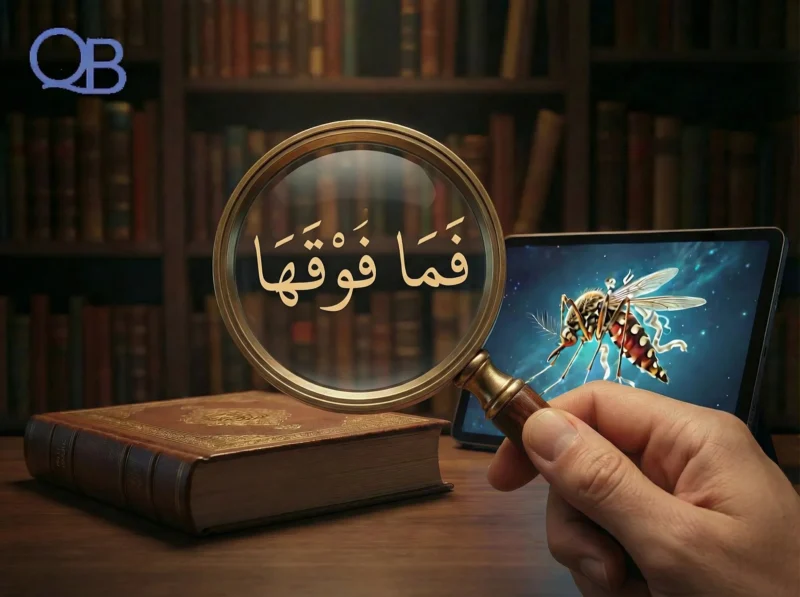
Have you ever wondered why Allah mentions something as small as a mosquito in the Quran? Many Muslims struggle to connect with deeper Quranic wisdom, feeling overwhelmed by complex interpretations. Yet, the mosquito in the Quran offers profound lessons that transform how we approach faith, humility, and divine wisdom. In Surah Al-Baqarah 2:26, Allah uses this tiny creature to teach believers five powerful truths that apply to our modern lives. Whether you’re seeking Islamic lessons for your children or yearning to deepen your Quran understanding, this verse holds practical wisdom for everyone.
The Mosquito in the Quran: What Does Surah Al-Baqarah Say?
The mosquito mentioned in Quran appears in Surah Al-Baqarah, verse 26. Allah states:
“ Indeed, Allah is not ashamed to present an example—that of a mosquito or what is smaller than it. And those who have believed know that it is the truth from their Lord. But as for those who disbelieve, they say, ‘What did Allah intend by this as an example?’ He misleads many thereby and guides many thereby. And He misleads not except the deviantly disobedient. “
This Quran verse about mosquito was revealed during the Madinah period when critics mocked the Quran’s use of simple examples. Some doubted why Allah would mention insignificant creatures like spiders, flies, bees, or mosquitoes in divine revelation. The verse directly addresses this skepticism, affirming that divine wisdom transcends human judgment of what seems “too small” for Allah’s attention.
📜 Why Was This Verse Revealed?
According to Ibn Kathir’s renowned Tafsir, this verse responded to disbelievers who questioned the Quran’s legitimacy based on its use of everyday examples. They wondered how a divine book could reference common insects. Allah’s response is profound: truth doesn’t require grand symbols to validate itself.
The Quran mentions various creatures—spiders, flies, bees, and the mosquito in the Quran—to demonstrate that every creation, regardless of size, contains divine wisdom. This Islamic perspective on mosquitoes extends beyond literal biology into spiritual understanding and humility before Allah’s infinite knowledge.
5 Profound Lessons from the Mosquito Verse
1 Nothing Is Too Small for Allah’s Attention
The mosquito in the Quran reminds us that Allah’s care extends to every detail of our lives. When you make dua for something that seems insignificant—a child’s worry, a small financial need, a minor health concern—remember this verse. If Allah doesn’t consider a mosquito beneath His mention in the eternal Quran, He certainly doesn’t dismiss your smallest prayers.
💡 Practical Takeaway:
Start acknowledging “small” blessings in your daily gratitude practice. The functioning of your eyes, the air you breathe, the safety of your home—these seemingly minor gifts reflect Allah’s detailed care.
2 Wisdom Recognizes Truth in All Forms
Ibn Abbas, the Prophet Muhammad’s ﷺ cousin, explained this verse beautifully: believers recognize truth whether presented through grand miracles or simple examples. The Surah Baqarah mosquito verse divides humanity into two categories—those whose hearts are open to wisdom regardless of the vessel, and those who reject truth based on superficial judgments.
A hadith in Sahih Muslim reinforces this: “The believer’s affair is amazing; all of his matters are good for him.” Whether Allah teaches through a mosquito or a mountain, the lesson remains profound for those with humble hearts.
3 Scientific Miracles Confirm Quranic Truth
The phrase “or what is smaller than it” in the mosquito mentioned in Quran astounded modern scientists. Written 1,400 years ago, this statement anticipated microscopic organisms invisible to the naked eye—bacteria, viruses, atoms, and subatomic particles.
| Quranic Statement | Scientific Discovery | Size Comparison |
|---|---|---|
| “What is smaller than a mosquito” | Microscopic organisms | Bacteria: 1000x smaller |
| Divine knowledge in 7th century | Microscope invented 1590 CE | Viruses: 10,000x smaller |
| No human technology available | Electron microscope 1931 | Atoms: millions of times smaller |
This Islamic perspective on mosquitoes extends beyond the visible world into realms only recently confirmed by science.
4 Allah’s Examples Are Universal
The accessibility of the mosquito example demonstrates divine mercy. Allah didn’t choose obscure creatures known only to scholars. He selected a mosquito—something encountered by every human across cultures, climates, and centuries. You don’t need advanced Arabic knowledge to grasp the mosquito in the Quran lesson. A child can understand that small things matter to Allah, while adults appreciate deeper layers of humility and wisdom.
5 Humility Opens Hearts, Pride Closes Them
Here lies the deepest lesson of the Quran verse about mosquito: your response to simple truths reveals your spiritual condition. When disbelievers heard about the mosquito example, they scoffed. Believers, however, thought, “If Allah teaches through a mosquito, every detail of creation contains guidance.”
The Prophet Muhammad ﷺ warned in Sahih Muslim: “No one who has even an atom’s weight of pride in his heart will enter Paradise.”
The Surah Baqarah mosquito verse teaches us that pride manifests in rejecting simple beginnings, while humility embraces gradual growth.
Common Questions About Mosquitoes in Islam
❓ Is Killing a Mosquito Haram in Islam?
No, killing a mosquito is not haram in Islam. The Prophet Muhammad ﷺ permitted eliminating harmful creatures that pose threats to human health. Islamic scholars from Sahih Bukhari apply this principle to disease-carrying insects while emphasizing balance—eliminate threats when necessary but avoid unnecessary harm.
❓ Does Killing a Mosquito Break Wudu?
No, killing a mosquito does not break wudu. Islamic scholars have consensus that wudu is only invalidated by specific actions like urination, defecation, passing gas, or deep sleep. Your ablution remains valid for prayer after swatting a mosquito.
❓ Are Mosquitoes Mentioned Elsewhere in the Quran?
The mosquito mentioned in Quran appears only in Surah Al-Baqarah 2:26. However, other creatures feature throughout with spiritual lessons:
| Creature | Surah Reference | Lesson Taught |
|---|---|---|
| 🐝 Bee | Surah An-Nahl (16:68-69) | Divine inspiration, productivity |
| 🕷️ Spider | Surah Al-Ankabut (29:41) | False security, weak reliance |
| 🪰 Fly | Surah Al-Hajj (22:73) | Human powerlessness |
| 🐜 Ant | Surah An-Naml (27:18) | Community, communication |
Conclusion
The mosquito in the Quran is far more than a passing reference—it’s a profound teaching tool that challenges our pride, confirms scientific truths, and demonstrates Allah’s care for every detail of creation. Through Surah Al-Baqarah 2:26, we learn that divine wisdom comes in all sizes, and humble hearts recognize truth regardless of its vessel.
Start Your Free Trial in Islamic CourseReferences & Links
| Source | Description | Link/Reference |
|---|---|---|
| Quran (Surah Al-Baqarah 2:26) | Primary verse about mosquito | Quran.com |
| Tafsir Ibn Kathir | Classical Quranic interpretation | IslamicStudies.info |
| Sahih Muslim | Hadith about pride | Sunnah.com |
| Sahih Bukhari | Hadith about harmful animals | Sunnah.com |
| Surah An-Nahl (16:68-69) | Bee verse reference | Quran.com |
| Surah Al-Ankabut (29:41) | Spider verse reference | Quran.com |
| Surah Al-Hajj (22:73) | Fly verse reference | Quran.com |
| Surah An-Naml (27:18) | Ant verse reference | Quran.com |

Leave a Reply