Introduction — Why Ghusl for Women Feels Overwhelming (But Shouldn’t)
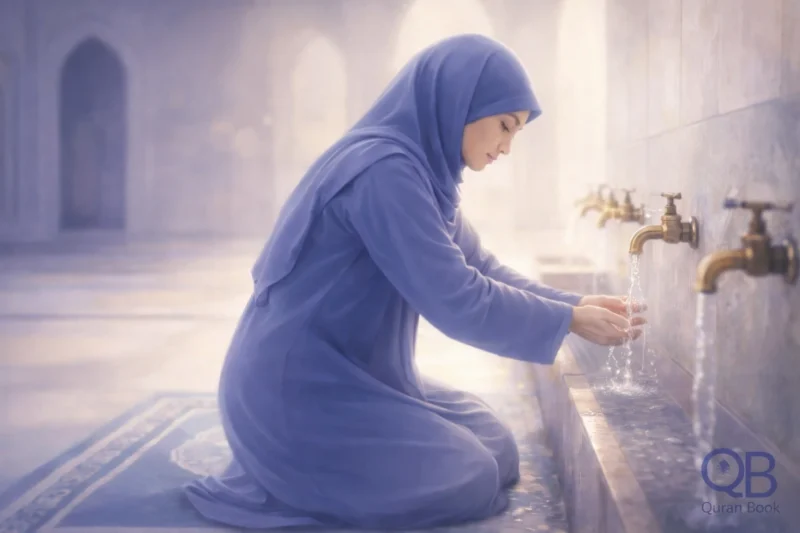
Ghusl for women is one of the most frequently searched yet least confidently understood topics among Muslim sisters around the world. If you have ever stood under running water thinking, “Am I doing this correctly? Will my prayer even count?” — know that you are not alone, and there is absolutely no shame in seeking clarity.
The truth is, many women grow up without clear, compassionate guidance on how to make ghusl for women properly. That gap in knowledge can create unnecessary anxiety around worship. This guide exists to close that gap once and for all.
Over the next few sections, you will learn the exact ghusl steps for women rooted in authentic Hadith, discover when ghusl becomes obligatory, and build the confidence to stand before Allah (SWT) knowing your purification is sound. Whether you are a revert finding your footing, a teenager learning for the first time, or a busy mother seeking a reliable refresher — consider this your trusted resource.
New to Islamic learning? Start with our Basics of Islam Course for Beginners →
What Is Ghusl? Understanding the Importance of Purification in Islam
Ghusl is the full-body ritual bath that Islam requires to remove major ritual impurity, known in Arabic as hadath akbar. It is far more than an ordinary shower — ghusl for women demands a sincere intention (niyyah) in the heart and the assurance that water touches every single part of the body without exception.
Without a valid ghusl, a Muslim woman cannot perform Salah, recite the Quran directly from the mushaf, or make Tawaf around the Ka’bah. The stakes are real, which is why understanding this act of worship matters so deeply.
Allah (SWT) reminds us in the Quran:
“Indeed, Allah loves those who are constantly repentant and those who purify themselves.” — Surah Al-Baqarah 2:222
The importance of purification in Islam extends beyond the physical. It is a spiritual reset — a deliberate act of renewing your relationship with your Creator. The Prophet Muhammad (ﷺ) reinforced this beautifully when he said:
“Cleanliness is half of faith.” — Sahih Muslim 223
When you internalize this meaning, ghusl transforms from a routine task into a rewarding act of worship. Every drop of water carries the potential for ajr (divine reward).
When Is Ghusl Required for a Woman? (5 Obligatory Situations)
Understanding exactly when is ghusl required for a woman eliminates guesswork and protects the validity of your worship. Ghusl becomes fard (obligatory) in the following five situations:
1. After Menstruation (Hayd): Once bleeding stops completely, ghusl for women after period must be performed before resuming Salah, fasting, or recitation of the Quran.
2. After Post-Natal Bleeding (Nifas): Following childbirth, a woman must perform ghusl once the post-natal bleeding has fully ceased.
3. After Sexual Intercourse (Janabah): Ghusl is obligatory regardless of whether ejaculation occurred. The Prophet (ﷺ) said: “When the two circumcised parts meet, ghusl becomes obligatory.” — Sahih Muslim 349. Understanding janabah in Islam is essential for every married Muslim woman.
4. After Ejaculation or Sexual Discharge: Whether this occurs during sleep (a wet dream) or while awake, the release of mani (sexual fluid) with desire necessitates ghusl.
5. Upon Accepting Islam: A new Muslim is strongly recommended to perform ghusl as a purifying act upon entering the faith.
Beyond these obligatory situations, ghusl is also recommended (Sunnah) before Friday prayer (Jumu’ah), before the two Eid prayers, and before entering the state of Ihram for Hajj or Umrah.
7 Ghusl Steps for Women — The Complete Sunnah Method
This section answers the core question: how to make ghusl for women the right way. Aisha (RA) narrated the Prophet’s (ﷺ) method in detail, and the steps below follow that authentic Sunnah with additional notes specifically for sisters.
📌 Reference Hadith: Aisha (RA) described the complete method of the Prophet’s (ﷺ) ghusl — Sahih al-Bukhari 248 and Sahih Muslim 316.
Ghusl for Women After Period — Special Considerations
Ghusl for women after period involves a few additional Sunnah practices that set it apart from ghusl performed after janabah. When Asma (RA) asked the Prophet (ﷺ) about bathing after menstruation, he instructed women to use water mixed with lotus leaves (or soap in the modern context), scrub thoroughly, and then apply a cloth scented with musk to the area where blood had been present — Sahih Muslim 332.
There are two key distinctions sisters should be aware of regarding post-menstrual ghusl. First, scholars recommend extra care when washing the hair after menstruation. While undoing braids is not obligatory for ghusl from janabah (as the hadith of Umm Salamah confirms), many scholars advise being more meticulous after the period ends to ensure water fully saturates the scalp and roots.
Second, applying a small piece of cotton or cloth with musk (or a mild fragrance) to the private area after completing ghusl is a Sunnah practice unique to post-menstrual purification. This is what Aisha (RA) quietly explained to Asma (RA) when the Prophet (ﷺ) said “purify yourself with it.”
Once ghusl is properly completed, the woman may immediately resume all acts of worship — including Salah, fasting, Quran recitation, and physical intimacy with her husband.
Fard vs. Sunnah Ghusl for Women — Quick Comparison
Knowing whether your ghusl is fard or Sunnah removes unnecessary anxiety. When in doubt, performing fard ghusl for women using the complete sunnah method of ghusl covers all bases and earns maximum reward.
| Aspect | Fard (Obligatory) | Sunnah (Recommended) |
|---|---|---|
| When | After period, nifas, janabah, wet dream | Before Jumu’ah, Eid, Hajj/Umrah |
| Minimum Requirement | Niyyah + water on entire body | Same method as fard ghusl |
| Prayer Without It | ❌ Salah is NOT valid | ✅ Salah is valid without it |
| Hair | Water must reach the roots | Water must reach the roots |
| Reward | Fulfills the obligation | Earns extra reward |
5 Common Mistakes That Invalidate Your Ghusl
Even when you know the correct ghusl steps for women, small oversights can quietly invalidate your entire purification. Avoid these five common errors:
1. Skipping the Intention (Niyyah): Without a conscious intention to perform ghusl for the sake of Allah, the bath is merely a regular shower — not a ritual act of worship. Your Salah would not be valid afterward.
2. Leaving Parts of the Body Dry: The areas most commonly missed include behind the ears, inside the navel, between the toes, and under skin folds. Every square inch of the body must be reached by water.
3. Not Removing Physical Barriers: Nail polish, waterproof makeup, heavy creams, and even some hair products create a seal that blocks water from reaching the skin beneath. These must be fully removed before beginning ghusl.
4. Rushing Through the Hair: Quickly wetting the surface of your hair is not sufficient. Water must reach the scalp and the roots of every strand. Take your time and use your fingers to massage water through thoroughly.
5. Assuming a Regular Shower Counts: Even the longest, most thorough shower in the world is not ghusl unless you made niyyah and consciously ensured full-body water coverage. The intention is what separates worship from hygiene.
The Academy Method — Learn Islamic Purification the Right Way
At Quran Book Academy, we recognize that learning sensitive Islamic topics like ghusl for women requires privacy, patience, and qualified female teachers. That is precisely what our platform delivers.
Our teaching approach is grounded in psychological chunking — we break complex fiqh topics into small, digestible lessons that build confidence gradually. Rather than overwhelming you with marathon lectures, we teach purification, prayer, and Quran recitation in focused 25–30 minute sessions designed to fit seamlessly into your daily routine.
Here is what sets the Academy apart:
Live Zoom Sessions — One-on-one classes with certified female instructors for sisters, creating a completely comfortable and private learning space.
Custom Learning Management System (LMS) — Tracks your progress through every module, so you always know exactly where you stand and what is coming next.
Weekly Gmail Progress Reports — Receive learning milestone updates directly in your inbox to stay motivated and on track.
Courses for All Ages — From Quran memorization with Tajweed to comprehensive fiqh and Islamic studies, our curriculum is thoughtfully designed for non-Arabic speakers in the USA, Canada, UK, and Australia.
We do not simply tell you what to do — we help you understand why, so every act of worship becomes deeply meaningful.
FAQ — Your Ghusl Questions Answered
Take the Next Step — Your Free Trial Lesson Awaits

You have just learned the complete ghusl steps for women — but this is only the beginning of your Islamic learning journey. At Quran Book Academy, we offer personalized, one-on-one online classes for sisters and families who want to deepen their understanding of Islam from the comfort of their own homes.
🎁 Book Your FREE Trial Lesson Today and experience:
✦ A private session with a qualified female instructor
✦ A personalized learning plan tailored to your goals
✦ Immediate access to our LMS so you can track progress from day one
“Whoever follows a path seeking knowledge, Allah will make the path to Paradise easy for them.”
— Sahih Muslim 2699
Leave a Reply to What Breaks Wudu? Complete Islamic Guide (Quran & Hadith) 2026 Cancel reply