Arabic Online For Kids: The Complete Guide to Raising Bilingual Children in 2026
Discover psychology-backed methods, age-appropriate strategies, and the best platforms to help your child master Arabic from home.
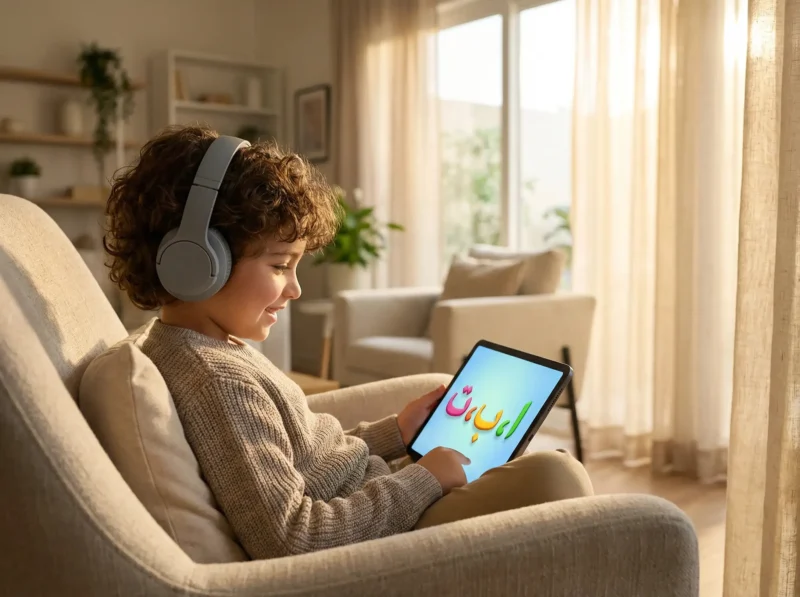
You want your child to learn Arabic, but between school, activities, and the chaos of daily life, finding time feels impossible. Add the challenge of locating qualified teachers who can actually keep young learners engaged, and most parents give up before they even start.
Here’s the truth: Arabic online for kids has transformed how families approach language learning, making it more accessible, effective, and enjoyable than ever before. Whether you’re a Muslim family hoping to connect your children with their heritage or parents who recognize the cognitive benefits of bilingualism, online Arabic education offers a solution that fits modern lifestyles.
This guide covers everything you need to know about how to teach Arabic to kids through online platforms, from the best age to start learning to psychology-backed methods that actually work. You’ll discover the best way to learn Arabic for kids, how to choose the right program, and proven strategies to support your child’s journey toward fluency.
quranbookonline.com has pioneered a psychology-integrated approach to Arabic online for kids and Quranic education, combining certified instructors with child development expertise. Their methodology addresses the core challenges parents face: engagement, consistency, and measurable progress.
Ready to start your child’s Arabic journey? Discover quranbookonline.com’s proven program today!
The Surprising Benefits of Learning Arabic Online For Kids
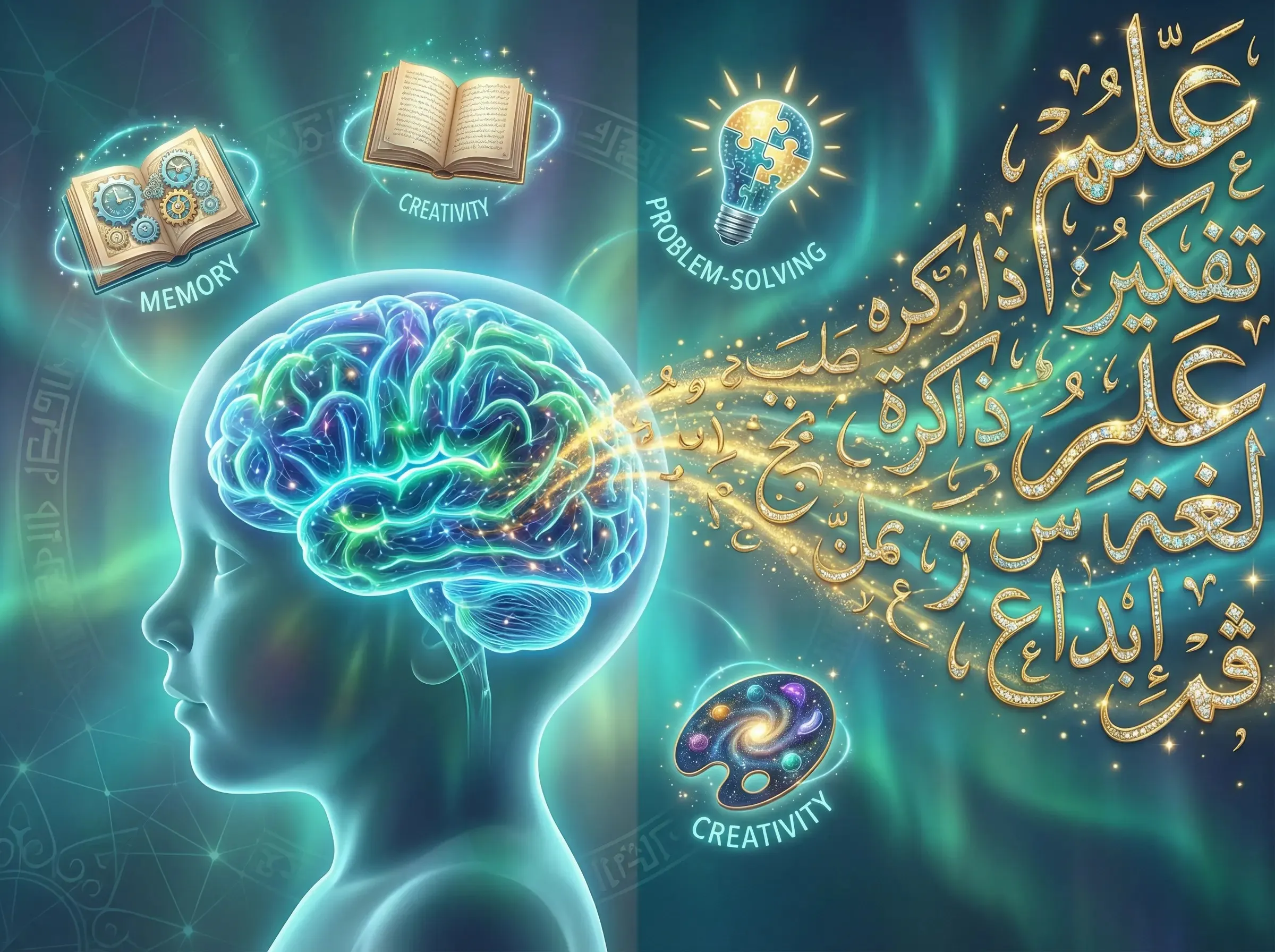
Research from Georgetown University confirms what neuroscientists have long suspected: bilingual children develop enhanced executive function, stronger memory retention, and superior problem-solving abilities. When children learn Arabic for kids online, they exercise parts of the brain that alphabetic languages don’t reach, thanks to Arabic’s unique script direction and phonetic complexity.
Key Benefits Include:
- 23% improvement in cognitive flexibility
- Enhanced multitasking capabilities
- Stronger academic performance across all subjects
- Better creative thinking and problem-solving skills
Cultural and Religious Connection That Lasts a Lifetime
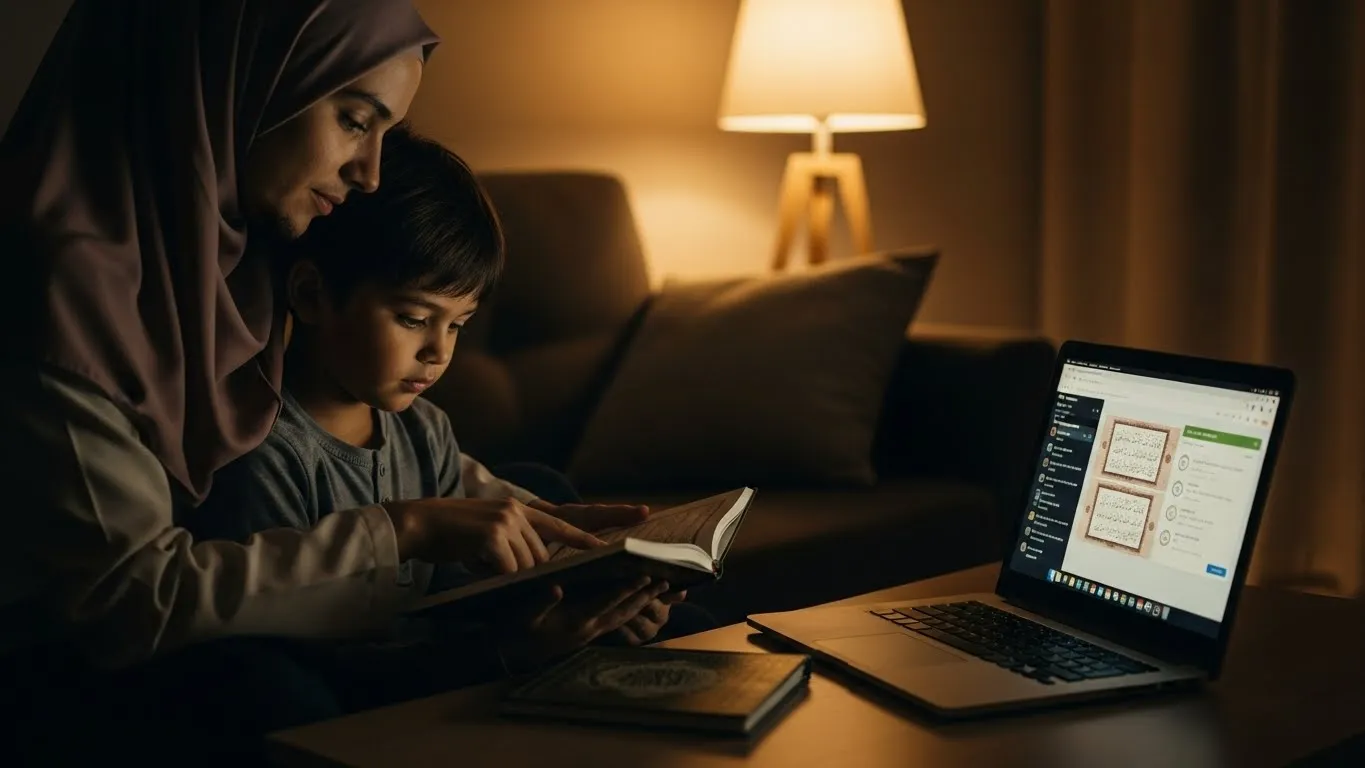
For Muslim families living in Western countries, learning Quranic Arabic for kids isn’t just convenient; it’s a bridge to identity. Understanding the language allows children to engage directly with religious texts, building a foundation for spiritual connection that translations simply cannot provide.
Beyond religious significance, Arabic opens doors to understanding one of the world’s richest literary and historical traditions. Children gain appreciation for their heritage while developing skills that foster cross-cultural communication.
Flexibility and Convenience That Busy Families Love

The best online Arabic classes for kids eliminate the logistical nightmares that once made language learning impractical. No more rushing through traffic or rearranging entire schedules around lesson times.
Why Parents Choose Online Arabic School Platforms:
- Learn from anywhere with internet access
- Access native-speaking instructors globally
- Flexible scheduling that fits your family’s routine
- Personalized attention and pacing
Stop struggling with logistics!
Experience the convenience of quality Arabic education from home.
Book a FREE Trial Class at Quranbookonline.com!What Is the Best Age to Learn Arabic? (The Answer May Surprise You)
The Critical Period: Ages 3-7 (Don’t Miss This Window!)
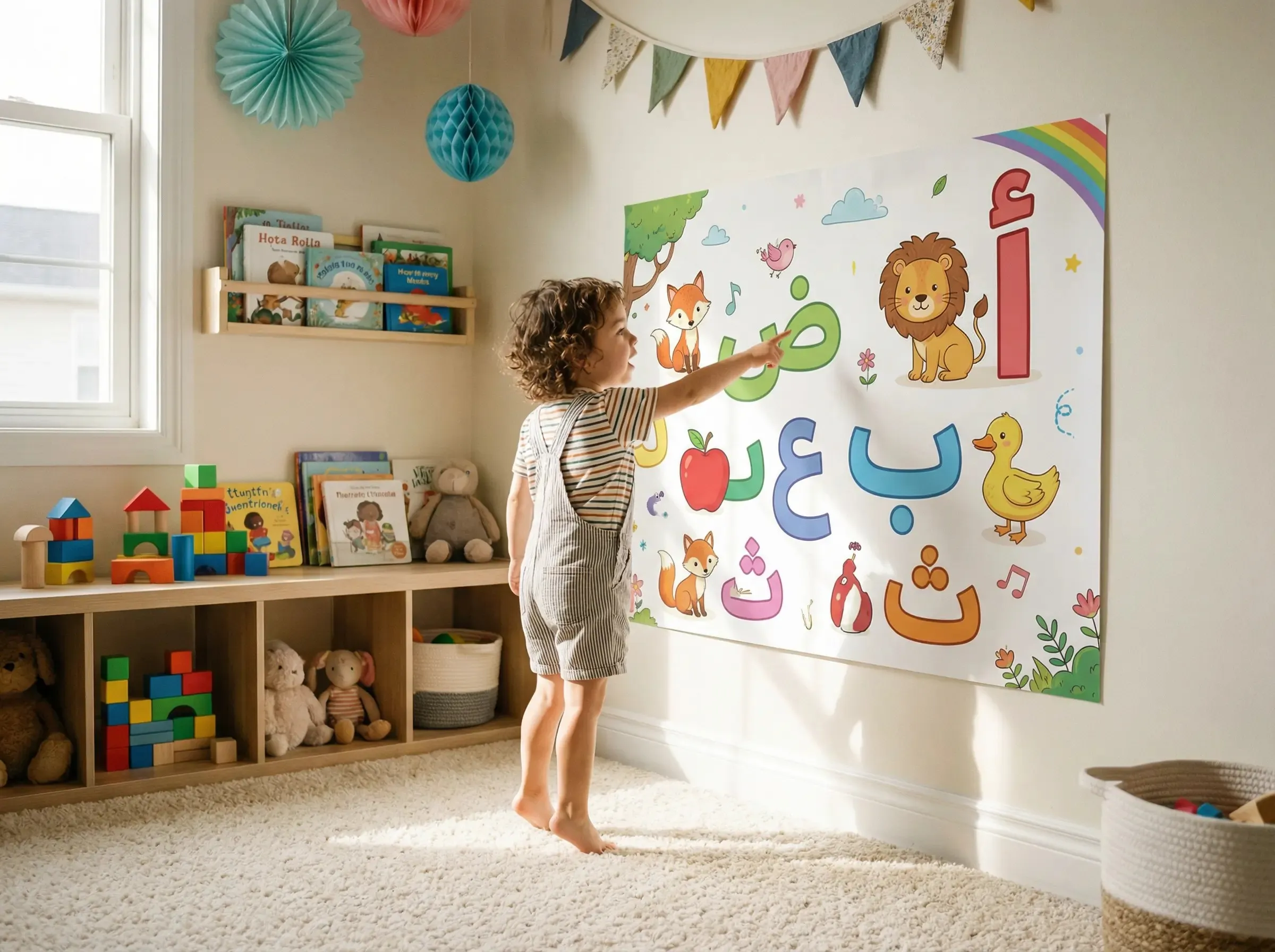
Neuroscience research identifies ages three through seven as the optimal window for language acquisition. During this period, children’s brains demonstrate remarkable plasticity, absorbing pronunciation patterns and grammatical structures almost effortlessly.
Is Arabic easy for kids to learn? Absolutely—when they start young! Children in this age range develop native-like accents naturally, distinguishing between Arabic sounds that adult learners struggle to differentiate for years.
Arabic for kids learn and play programs designed for this age group emphasize learning through songs and interactive activities, making the process feel like fun rather than study.
Elementary Years: Ages 8-12 (Still Excellent Results)
Children between eight and twelve possess the cognitive maturity to tackle learn to read Arabic for kids curriculum while retaining significant language learning advantages. This age group handles structured approaches well, progressing systematically through:
- Alphabet recognition and learn Arabic letters for kids
- Word formation and vocabulary building
- Learn Arabic reading online techniques
- Learn Arabic writing for kids skills
Starting Later: It’s Never Too Late to Begin
Teenagers and pre-teens who begin studying can absolutely achieve fluency. Success stories abound of children who started at twelve or fourteen and achieved conversational fluency within two to three years.
The bottom line? The best time to start was yesterday. The second best time is today.
How to Teach Arabic to Kids: A Psychology-Based Approach That Works
Understanding Child Learning Psychology
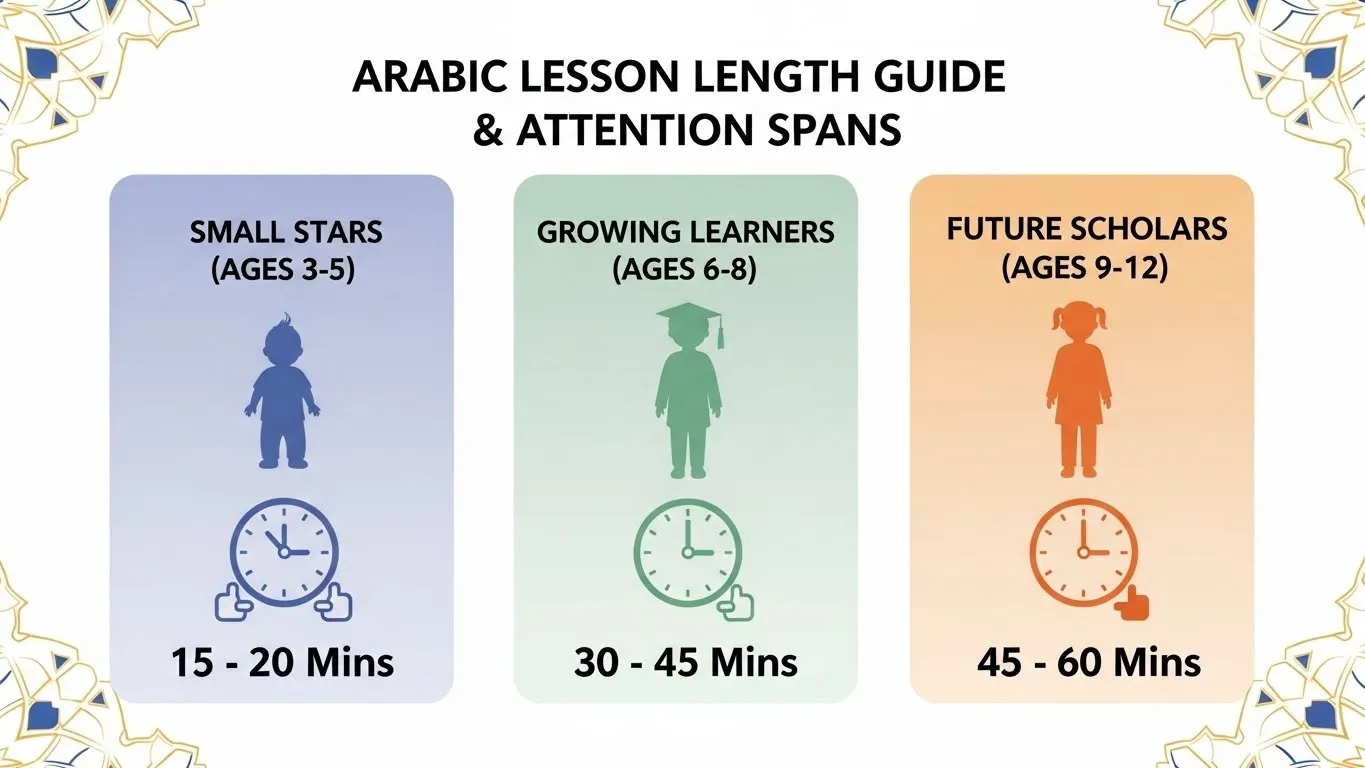
Effective online instruction requires understanding how young minds process information. Attention spans vary dramatically by age:
| Age Group | Optimal Focus Time | Recommended Lesson Length |
|---|---|---|
| 3-5 years | 10-15 minutes | 20-minute sessions |
| 6-8 years | 15-20 minutes | 30-minute sessions |
| 9-12 years | 25-30 minutes | 45-minute sessions |
Quranbookonline.com’s psychology-integrated framework applies these principles systematically, ensuring lessons match developmental capabilities while maintaining engagement.
How to Speak Arabic to Kids: Daily Integration Secrets
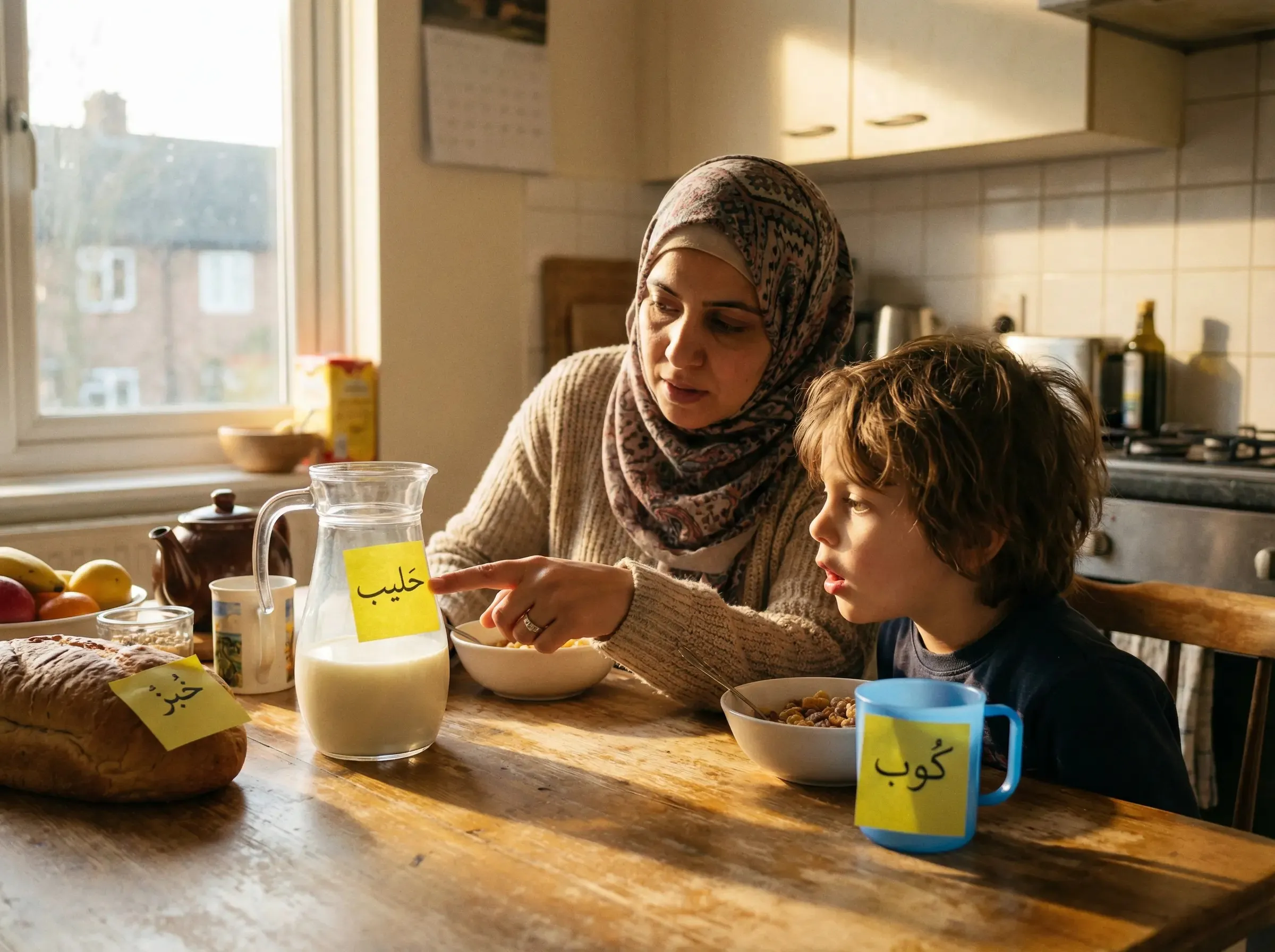
Parents don’t need fluency to support their child’s journey. Simple phrases integrated into daily routines normalize Arabic and reinforce classroom instruction.
Try These Easy Daily Touchpoints:
- Morning greetings in Arabic
- Counting items during meals
- Bedtime phrases and short prayers
- Labeling household objects
Start with basic learn Arabic words for kids that connect to concrete objects. Building confidence through repetition transforms hesitant learners into enthusiastic speakers.
Structured Learning vs. Organic Exposure: Finding the Balance
The best way to learn Arabic for kids combines formal instruction with casual practice. Structured lessons introduce new concepts systematically, while organic exposure reinforces learning naturally.
Learn to speak Arabic for kids programs should progress logically: speaking first, then reading, then writing. This prevents overwhelm and maintains positive associations.
Want a Proven Curriculum?
Quranbookonline.com offers psychology-based Arabic online for kids courses with expert instructors.
Get Started for Just $10/Hour!Best Way to Learn Arabic for Kids: 5 Methods That Actually Work
1. The Alphabet Foundation (Master This First!)
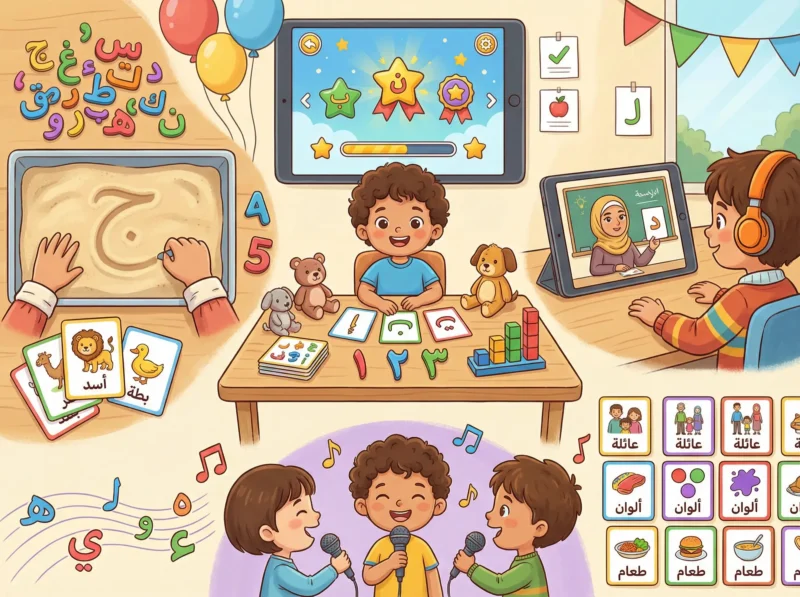
Understanding how to learn Arabic alphabet for kids requires patience and multi-sensory engagement:
- Visual learners: Colorful letter cards, animated videos
- Auditory learners: Arabic songs for kids to learn, pronunciation drills
- Kinesthetic learners: Tracing letters in sand, forming with clay
Learn Arabic alphabet kids programs work best when instruction isolates sounds before combining them into words.
Watch Our Arabic Alphabet Learning Video:
2. Interactive Games and Activities (Learning Disguised as Fun)
Games to learn Arabic for kids transform potentially tedious memorization into exciting challenges. Quality platforms offer:
- Digital applications with immediate feedback
- Achievement badges and progress tracking
- Alphabet scavenger hunts
- Role-playing scenarios
3. Videos and Multimedia Resources (Screen Time That Counts)
Learn Arabic for kids video content featuring songs, animations, and storytelling makes excellent supplements. Learn Arabic for kids YouTube channels provide native speaker models and cultural context.
Pro tip: Create a playlist routine for daily practice. Short, focused videos watched daily produce better results than longer sessions attempted sporadically.
4. Numbers, Words, and Basic Vocabulary (Quick Wins Build Confidence)
Learning Arabic numbers for kids often provides quick wins that boost motivation. Essential vocabulary categories include:
Family Members
Learn words for mother, father, siblings, and extended family in Arabic.
Colors & Shapes
Master basic colors and geometric shapes for everyday conversations.
Animals
Engaging animal vocabulary that kids love to learn and practice.
Food & Drinks
Practical vocabulary for mealtimes and daily life.
Body Parts
Essential vocabulary for describing themselves and others.
5. Live Instruction With Native Speakers (The Game-Changer)
Conversational Arabic classes online develop speaking confidence that pre-recorded content cannot match. Children need real-time practice with patient instructors who correct pronunciation and expand vocabulary naturally.
What Is the Website to Learn Arabic for Kids? (Choosing the Right Platform)

Key Features to Look For
Not all Arabic online course kids programs deliver equal results. Look for these essential features:
Why quranbookonline.com Stands Out
quranbookonline.com offers a unique psychology-based approach to Arabic online for kids that delivers measurable results:
Certified Teachers
Instructors with child development expertise and native Arabic fluency.
Comprehensive Curriculum
From basics to Quranic Arabic, a complete learning pathway.
Live Interactive Classes
Real-time instruction, not just pre-recorded videos.
YouTube Integration
Additional practice resources for reinforcement at home.
Affordable Pricing
Quality education at just $10 per hour—accessible for most families.
🎁 Special Offer
See why thousands of families trust Quranbookonline.com for their children’s Arabic education.
Book Your FREE Trial Class Today!Leveraging Technology: Online Tools and Resources
Live Online Classes vs. Self-Paced Learning
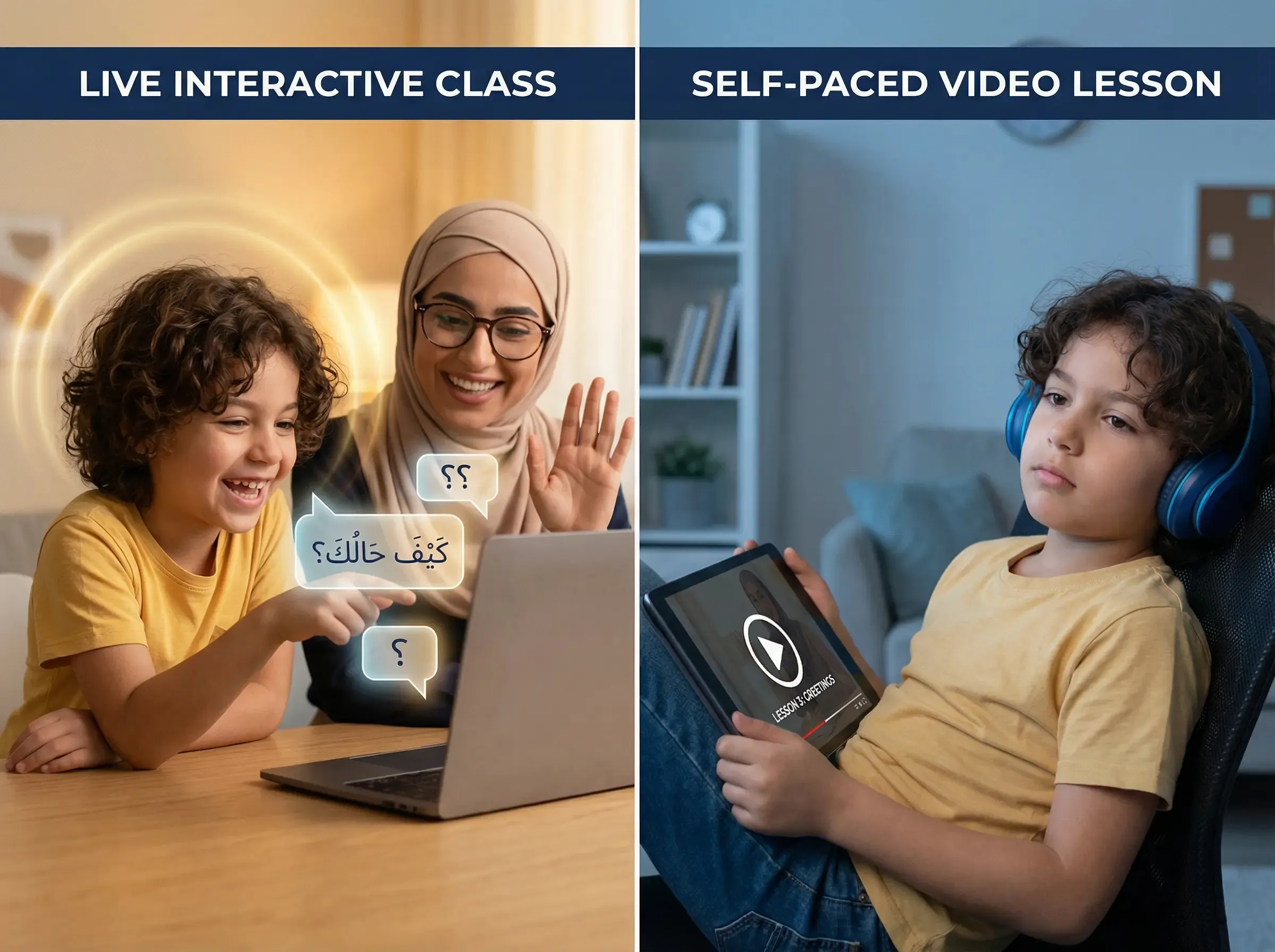
The best online Arabic classes for kids offer real-time teacher interaction that self-paced programs cannot replicate. Live sessions provide:
- Immediate feedback and correction
- Accountability and structure
- Social learning with peers
- Real conversation practice
Supporting Your Child’s Arabic Learning Journey
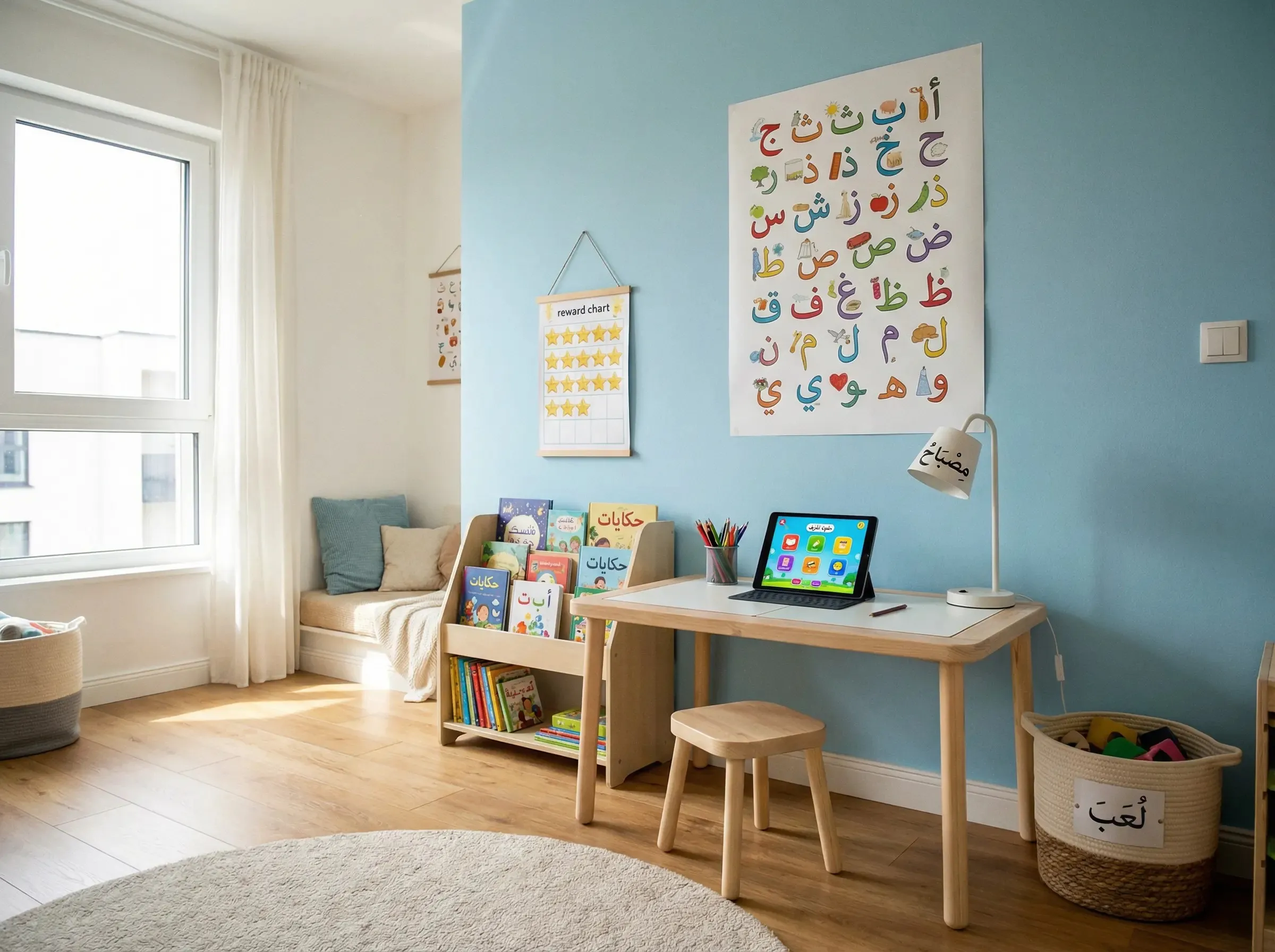
Creating a Home Learning Environment
Dedicated study spaces signal that language learning matters. Enhance your home with:
- Arabic alphabet posters
- Labeled household objects
- Arabic children’s books
- Reward charts for milestones
Overcoming Challenges and Resistance (Every Parent Faces This)
Every child experiences periods of reduced motivation. Try these psychology-backed strategies:
- Connect Arabic to your child’s interests
- Offer choices within structured frameworks
- Celebrate small wins enthusiastically
- Take short breaks when needed (not giving up!)
Measuring Progress and Setting Realistic Goals
| Milestone | Typical Timeline |
|---|---|
| Alphabet mastery | 2-3 months |
| Basic vocabulary (100 words) | 4-6 months |
| Simple conversations | 12-18 months |
| Reading proficiency | 2-3 years |
| Conversational fluency | 3-4 years |
Frequently Asked Questions

Take Action Today: Your Child’s Bilingual Future Starts Now
The journey toward Arabic fluency requires commitment, but the cognitive, cultural, and spiritual rewards justify every effort. Arabic online for kids has eliminated the barriers that once made this goal impractical for Western families.
Don’t wait another day. Every month you delay is a month of optimal brain development lost.
🚀 Ready to Transform Your Child’s Future?
Join thousands of families worldwide who chose the best way to learn Arabic for kids. Your child deserves this gift—give it to them today.
Book Your FREE Trial Class at Quranbookonline.com Today!